
Hiybrid Work Office: Has the Traditional Workplace Really Died?
The impact of the hybrid model on Social capital and the workplace experience
Hybrid work office strategies are transforming the way organizations operate. What began as a response to a global necessity has evolved into a model that is redefining workplace experience, employee well-being, and the role of the physical office.
Organizations no longer see work as a place people go to. Instead, they intentionally design it as an experience.
Yet, as organizations transition toward hybrid models, a deeper question arises: has the office died, or is it simply searching for a new purpose?
This question is critical for today’s leaders. The conversation goes far beyond square footage or digitalization. It also addresses the erosion of social capital and its impact on employees’ emotional development.
In this context, the challenge is not only adapting processes, but also understanding how workplace relationships, trust-building, and a sense of belonging within organizations are evolving.

How the Hybrid Work Office Impacts Social Capital
The office is the ecosystem where trust and culture are built through spontaneous interaction and human connection. Without physical proximity, there is a risk that work becomes purely transactional and monotonous, negatively affecting employee engagement, motivation, and innovation.
Many of the dynamics that strengthen teams do not happen during formal meetings. Instead, they emerge in informal spaces where people exchange ideas, solve problems, and build genuine relationships.
In this sense, the hybrid model can present certain disadvantages, as it reduces spontaneous interactions. Informal conversations in places like cafeterias or hallways no longer happen as frequently, even though they often spark ideas and strengthen bonds among coworkers. However, not everything is negative. The model also creates a balance that allows communication and workplace relationships to continue, preventing them from disappearing entirely.
Preserving Human Connection in Hybrid Work
At Green Loop, understanding this shift has become essential to preserving workplace culture and productivity, ensuring that hybrid work does not weaken human connections, but instead finds new ways to keep them alive and relevant within the organization.
A well-designed hybrid work office helps preserve that social capital while offering greater flexibility.
When it weakens, the impact is reflected not only in business results, but also in the human structure of the company, affecting trust, collaboration, and team cohesion.
The Hybrid Work Office and Employee Well-Being
“The hybrid model organizations widely recognize its positive impact. The ability to alternate between home and office allows employees to manage their time more effectively, reduce commuting, and achieve a healthier work-life balance.
This flexibility not only improves quality of life, but also has a direct impact on motivation, productivity, and engagement. Organizations that have adopted this model understand that well-being is no longer an additional perk, but an essential component of their business strategy.“

The Office: From Operational Space to Experience-Driven Space
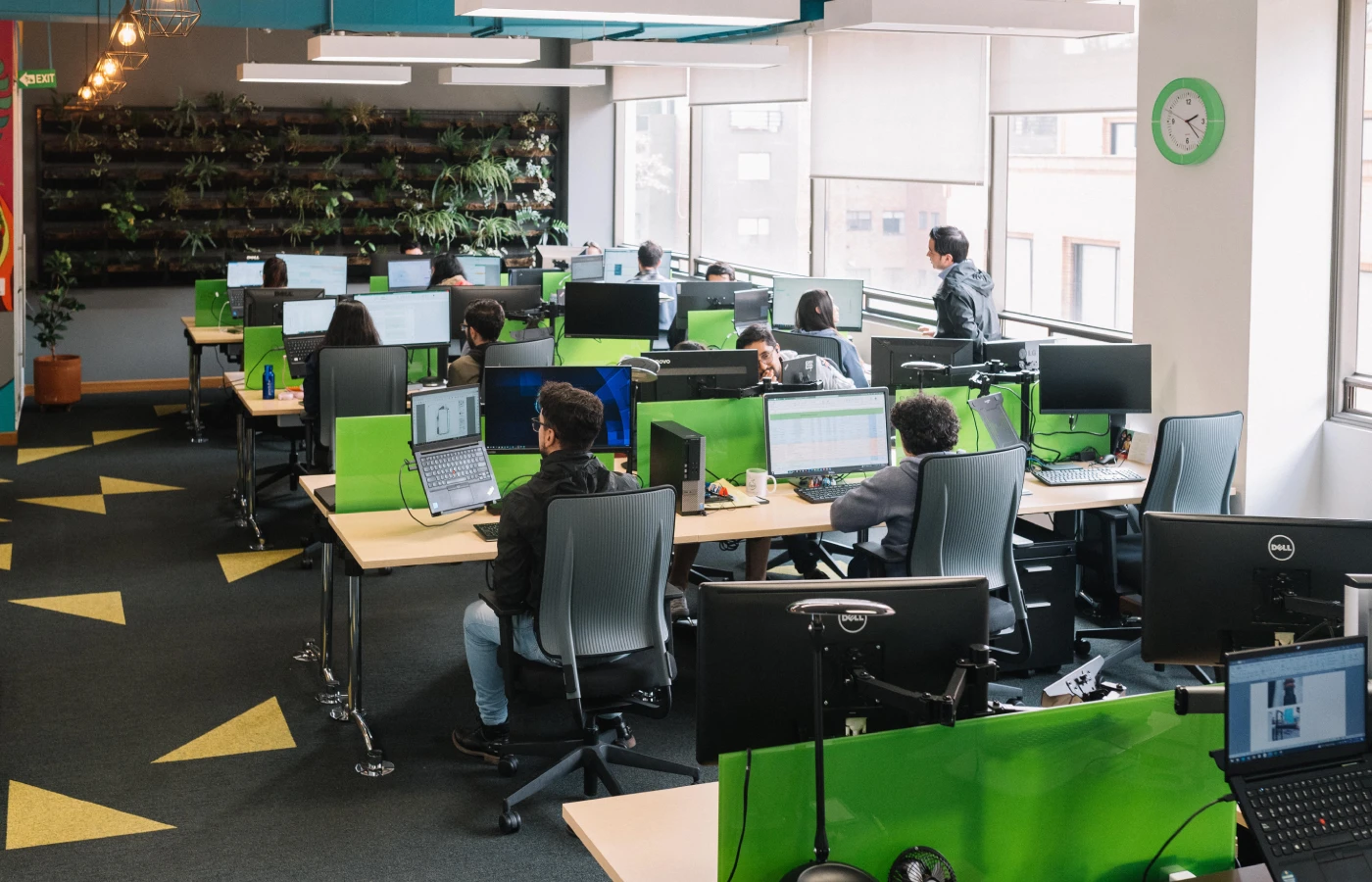
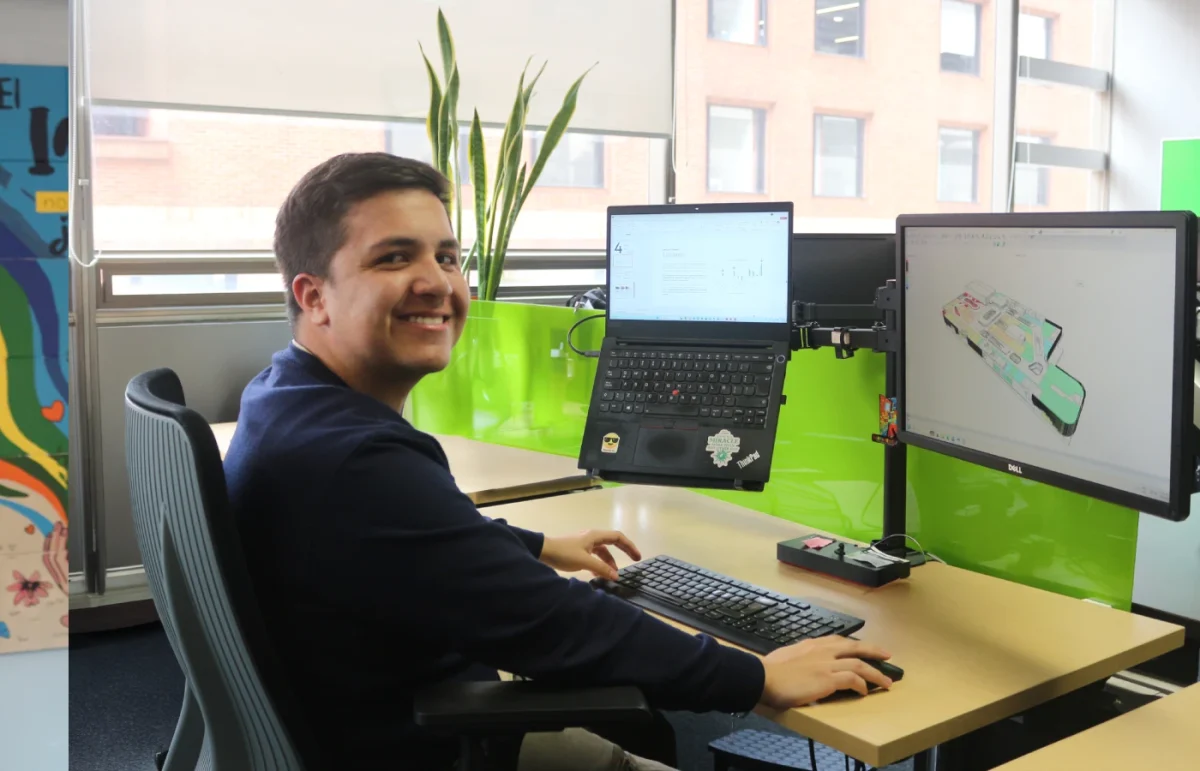
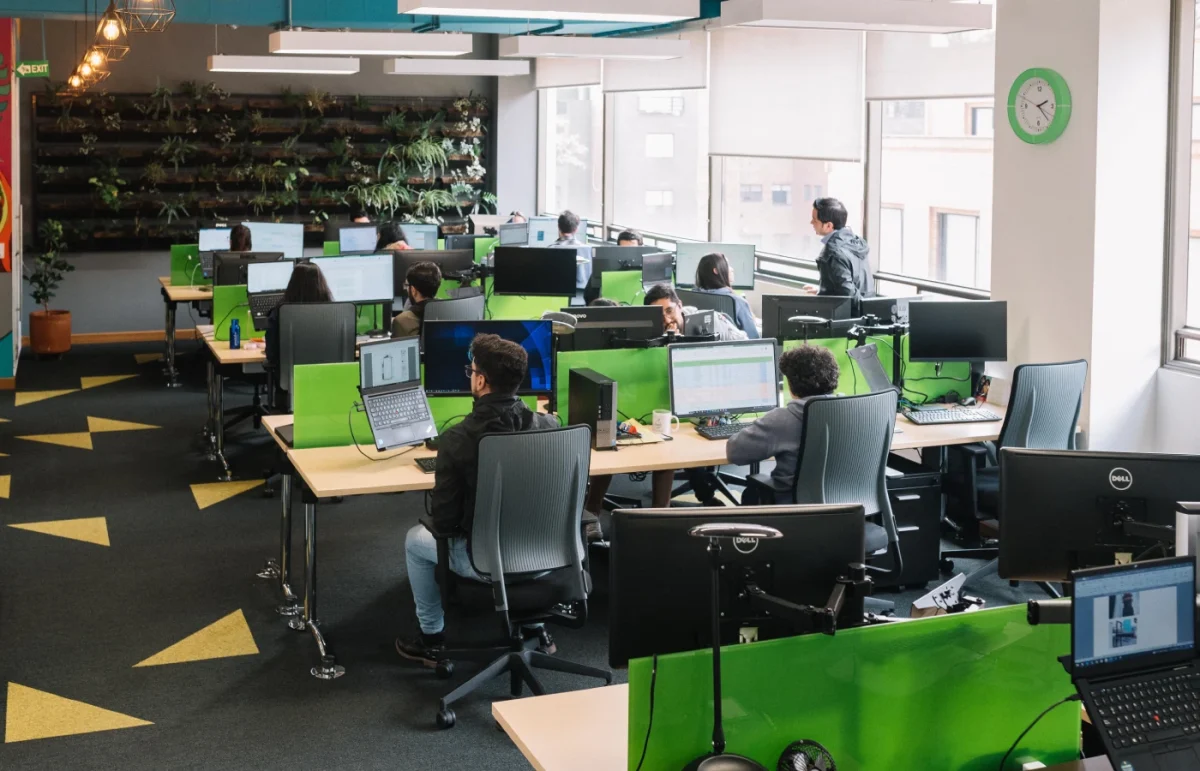
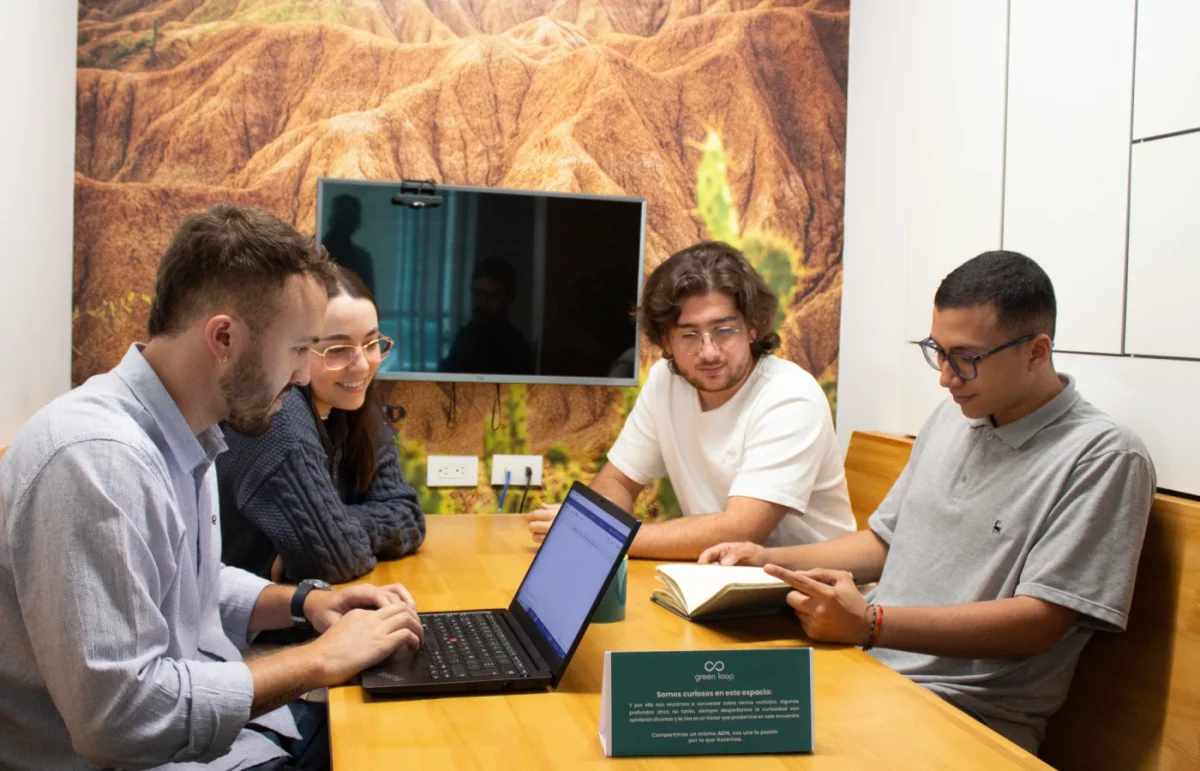
Despite the advantages of remote work, the office continues to play a fundamental role — although with a different purpose. It is no longer simply a place to complete operational tasks, but rather an environment designed to foster collaboration, innovation, and connection among teams.
In-person meetings, creative spaces, and informal interactions strengthen organizational culture and employees’ sense of belonging, turning the workplace experience into a key differentiator for attracting and retaining talent.
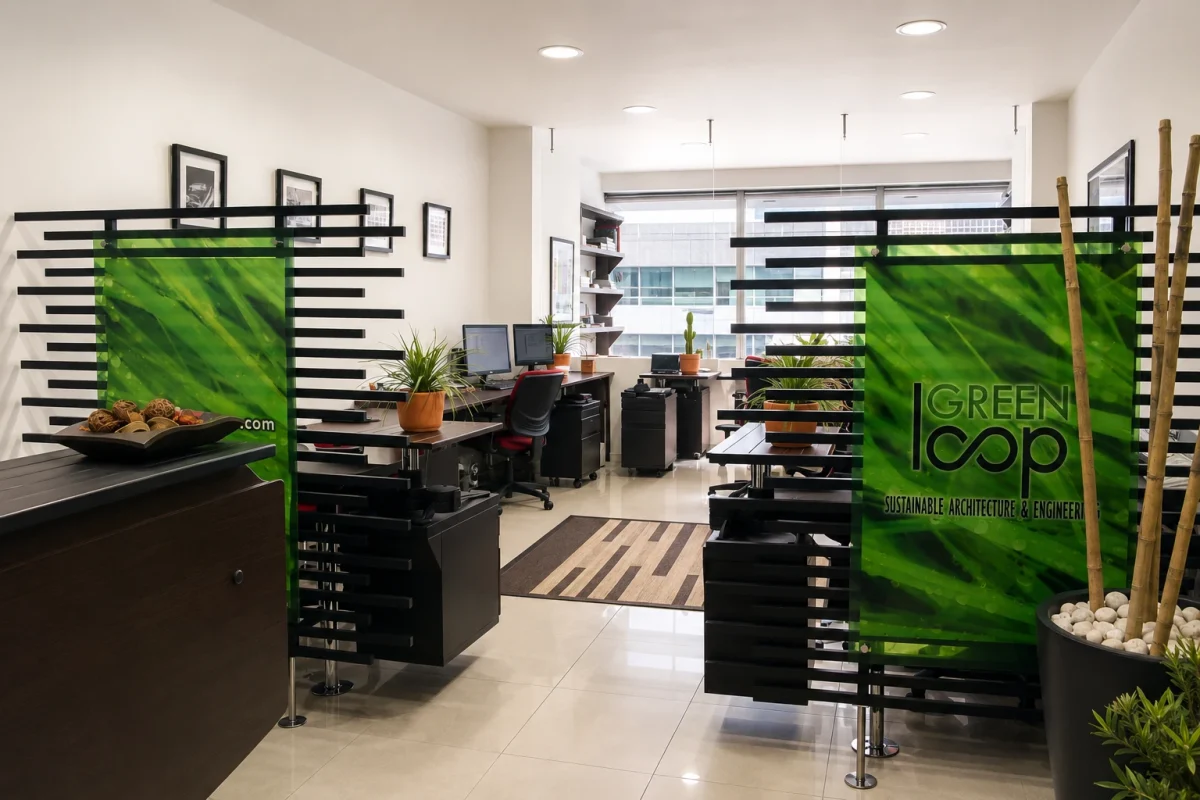
this shift has also transformed the way companies conceive corporate buildings. Today, companies design these spaces to respond to new workplace dynamics. Features such as natural lighting, collaborative zones, flexible spaces, and areas dedicated to rest and creativity have become essential.
The Green Loop Hybrid Work Office Model
At Green Loop, we aim to demonstrate how the hybrid model can be strategically integrated to enhance both well-being and productivity. By combining the flexibility of remote work with in-person spaces that encourage collaboration and process management, the office does not disappear — it gains a new purpose. This approach optimizes operations, strengthens teamwork, and creates more balanced and sustainable work environments.
For this reason, we have implemented key strategies to strengthen our organizational development, focusing on maintaining connection, culture, and a sense of belonging among employees, even within a hybrid environment.
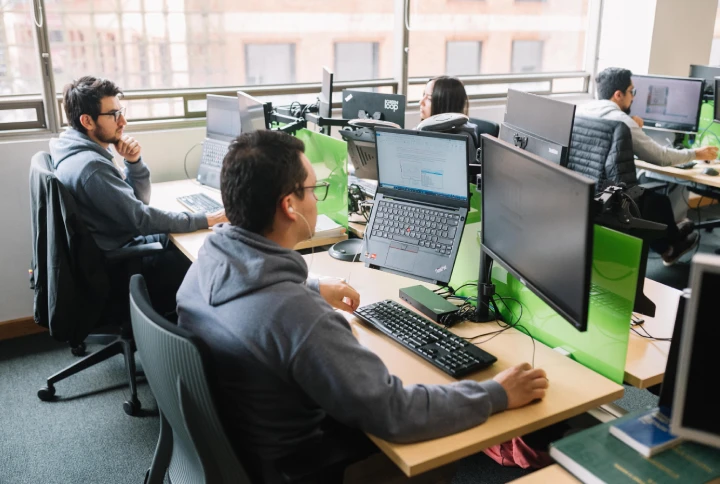
We implemented rotating schedules in which we distribute employees into groups and assign specific office days. Our hybrid model consists of working three days from the office and two days from home. To ensure interaction, the entire team comes into the office together for two of those days, strengthening organizational culture and enabling company-wide collaboration. The third in-office day is organized by groups, allowing for more focused dynamics without losing team interaction.
In this way, we create real opportunities for employees to connect, collaborate, and build genuine relationships, understanding work not only as an activity, but as a shared experience between teams.
Ultimately, recognizing that the office has not died — but evolved — is essential for organizations seeking to remain competitive. The challenge is no longer choosing between remote or in-person work, but designing a hybrid model that captures the best of both worlds.
In this new reality, people no longer see the office as an obligation; they choose it for a purpose: a place people go to connect, create, and strengthen the aspects of work that cannot be replicated virtually. Companies that successfully integrate employee well-being with strategically designed spaces will be better prepared for the future of work.
How do we put this into practice? Through a clear structure for work organization and in-office presence.
At Green Loop, employee well-being remains a priority. We see the hybrid model not as the end of the office, but as an opportunity to redefine its value within the workplace experience.
Because, in the end, the office does not disappear—we give it a new purpose. And in a world where talent can work from anywhere, that difference means everything.
Explore more Insights

Want to stay updated?
If you enjoyed this content and want to stay updated on ideas, projects, events, and insights shaping the future of high-performing buildings, subscribe to our Insights Blog