

LEED v5 Certification: Green Loop Achieves Latin America’s First
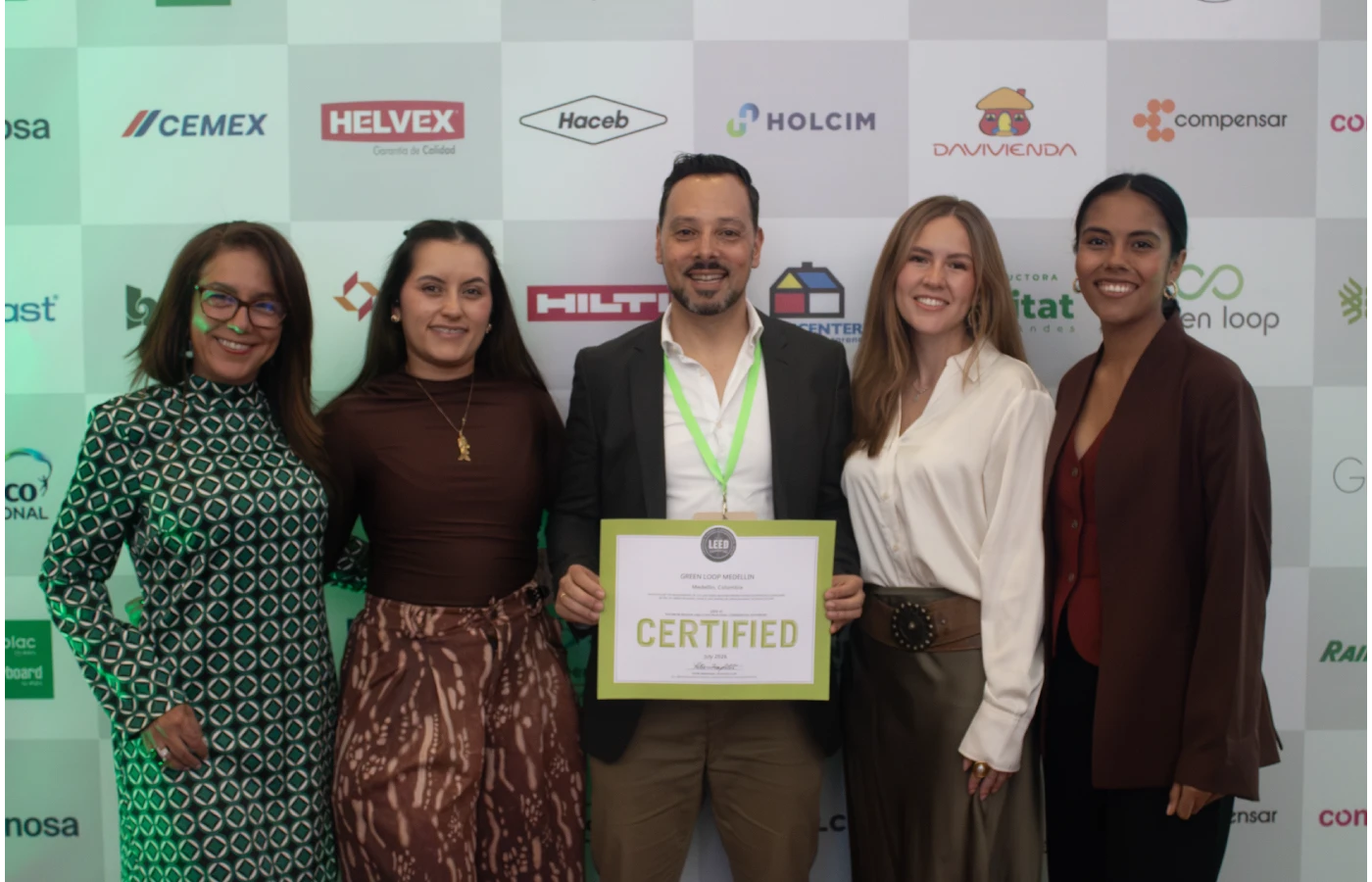
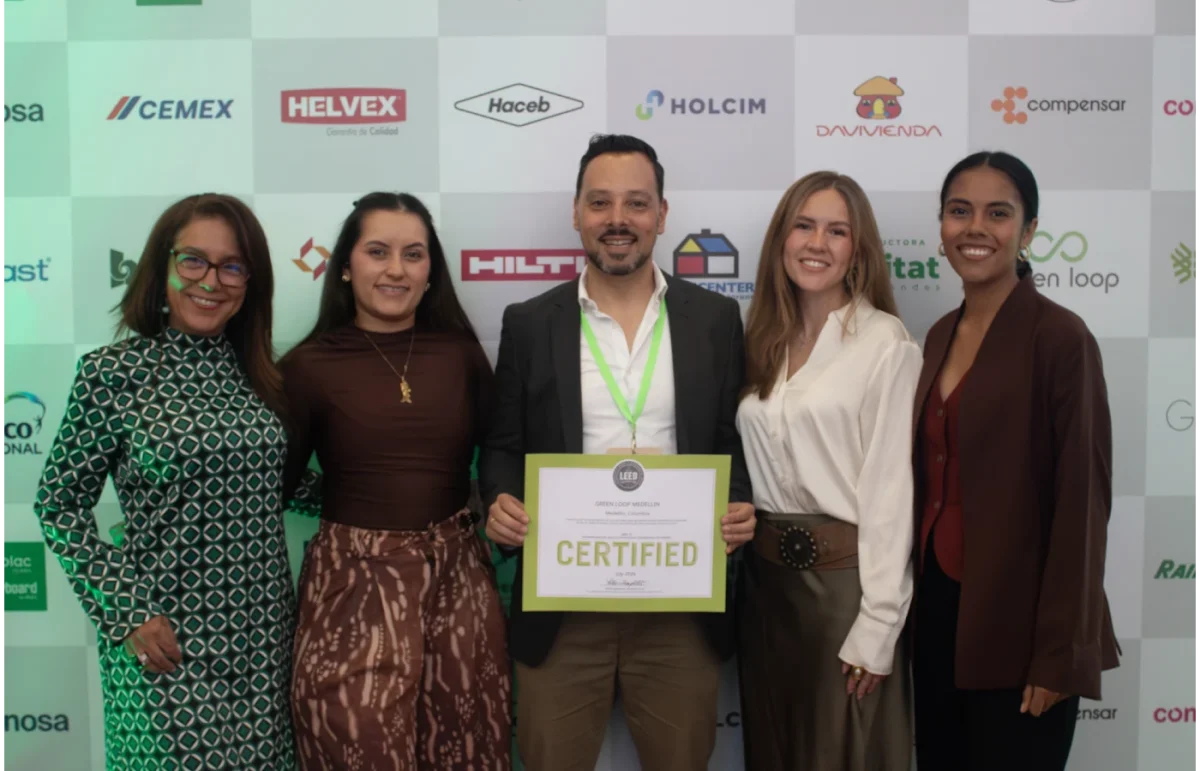
Becoming the first project in Latin America to achieve LEED v5 Interior Design + Construction: Commercial Interiors certification is much more than a milestone for Green Loop.
It represents the beginning of a new chapter for sustainable buildings across the region. For more than 17 years, we’ve helped developers, architects, contractors, investors, and building owners create high-performance buildings that are healthier, more efficient, and more resilient. Throughout that journey, one principle has always guided us:
Before recommending a solution to our clients, we want to prove it works ourselves. That’s exactly why we decided to certify our own headquarters under LEED v5.
The result is a recognition we’re incredibly proud of—but more importantly, it’s firsthand experience with what is arguably the most significant evolution of the LEED rating system since its creation. Our office became one of the world’s first LEED v5 certified projects and the very first in Latin America.
The certification itself is important, what matters even more is what it represents for the future of our industry. Because LEED v5 isn’t simply a new version of an existing certification. It’s a completely new way of defining what makes a building truly sustainable. Achieving LEED v5 certification is more than a milestone for Green Loop.
What Is LEED—and why does LEED v5 matter?
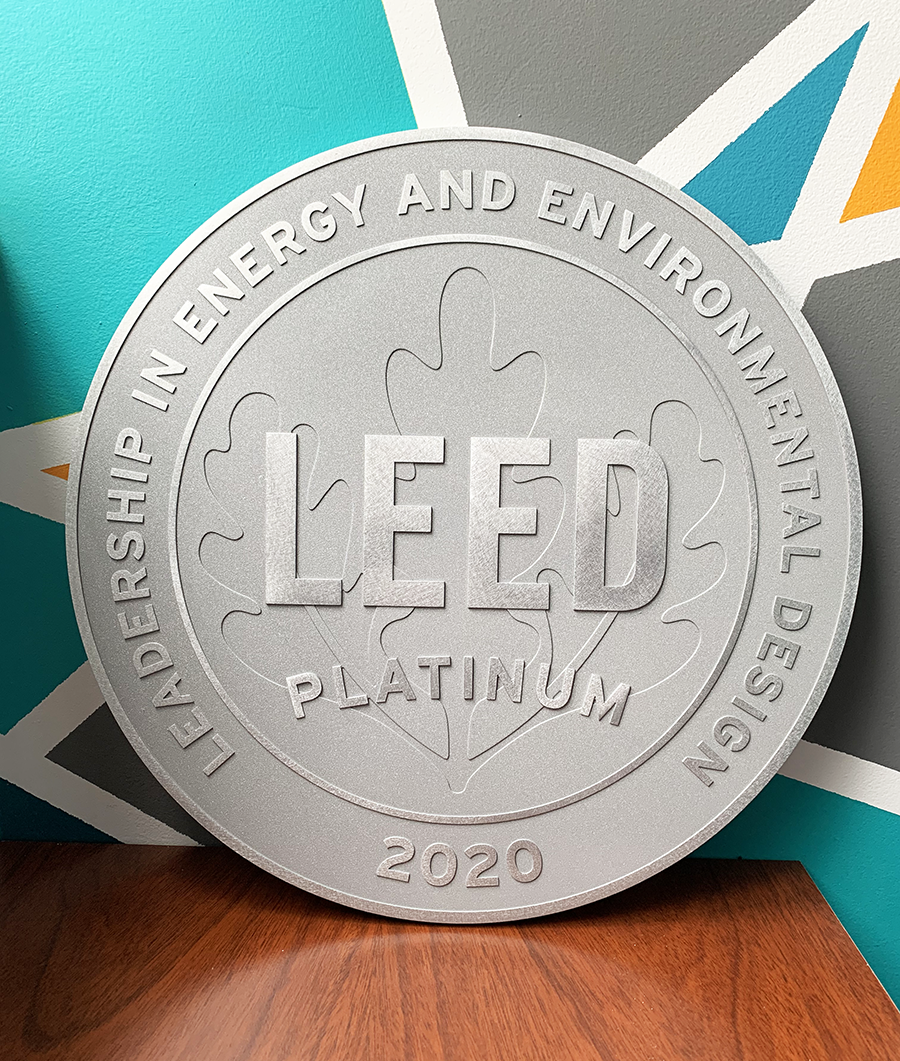
For more than 25 years, LEED (Leadership in Energy and Environmental Design) has been the world’s leading green building certification system.
Developed by the U.S. Green Building Council (USGBC), LEED has transformed the way buildings are designed, constructed, operated, and maintained across more than 180 countries. Its impact has been extraordinary.
For organizations looking beyond traditional green building standards, LEED v5 certification provides a broader framework for addressing carbon, resilience, human health, and long-term value.
The framework has encouraged projects to improve energy performance, reduce water consumption, minimize waste, select healthier materials, and create better indoor environments for occupants.
But today’s challenges are different from those that existed when LEED was first introduced.
- Climate change is accelerating.
- Carbon emissions must be reduced faster than ever before.
- Organizations are under growing pressure to meet ESG commitments.
- Investors increasingly prioritize resilient, future-ready assets.
- Occupants expect healthier workplaces that support productivity and well-being.
- The construction industry needs a new benchmark.
That’s exactly why the U.S. Green Building Council created LEED v5. Rather than simply updating technical requirements, LEED v5 redefines what sustainable buildings should accomplish over their entire lifecycle.
LEED v5 changes the conversation
For years, sustainable design revolved around one central question:
How can buildings consume fewer resources?
That question led to remarkable progress in energy efficiency, water conservation, and waste management. Today, however, sustainability goes much further.
The questions we ask have become far more comprehensive.
How much carbon was emitted before construction even started?
What environmental impact will the building have over the next 30 or 50 years?
How does the building contribute to human health?
Can it withstand future climate risks?
Does it create positive value for the surrounding community?
LEED v5 addresses these questions.
Instead of measuring sustainability only through operational efficiency, it evaluates the complete environmental, social, and economic performance of a building.
That shift changes everything.
Decarbonization Becomes the New Priority
Perhaps the most significant change introduced by LEED v5 is its emphasis on decarbonization.
Approximately half of the available certification points focus directly on reducing carbon emissions throughout a building’s lifecycle.
This includes two equally important dimensions. The first is operational carbon, generated through the energy consumed while the building is in use.
The second is embodied carbon, which includes emissions associated with extracting raw materials, manufacturing products, transporting them, constructing the building, maintaining it, and eventually renovating or replacing its components.
This broader perspective encourages project teams to make better decisions long before construction begins.
Architects, engineers, contractors, manufacturers, and owners must collaborate much earlier in the design process to optimize carbon performance from day one. In LEED v5, sustainability starts well before the building opens its doors.
1.Decarbonization
Projects are encouraged to prioritize:
- Building electrification
- High-performance energy systems
- Low-carbon construction materials
- Embodied carbon analysis
- Climate resilience planning
- Long-term carbon reduction strategies
Buildings are no longer expected to simply consume less energy. They are expected to actively reduce the environmental footprint of the built environment.
2. Human Quality
of Life
- Indoor air quality
- Thermal comfort
- Natural daylight
- Acoustic performance
- Biophilic design
- Physical and mental well-being
These elements directly influence productivity, comfort, and overall quality of life. Sustainability is no longer measured only by environmental metrics. It is measured by the experience people have inside the building every day.
3. Ecological Conservation and Restoration
Previous versions of LEED emphasized reducing environmental impact. LEED v5 goes one step further. Projects are encouraged to restore ecosystems, support biodiversity, implement regenerative water strategies, and integrate nature-based solutions whenever possible.
Buildings become part of larger ecological systems instead of isolated developments.
Sustainability Is Also a Business Decision
One of the biggest misconceptions we still hear is that sustainable buildings cost more. Our experience consistently demonstrates the opposite.
When sustainability is integrated from the earliest stages of design, the economic benefits continue throughout the building’s entire lifecycle. High-performance buildings typically consume less energy, reduce water usage, require less corrective maintenance, and operate more efficiently.
Those savings accumulate year after year. But operational efficiency is only part of the value. Buildings with advanced sustainability certifications often become more attractive to investors, tenants, and organizations seeking spaces aligned with their ESG goals.
The result can include:
- Lower operating costs
- Higher occupancy rates
- Improved tenant retention
- Increased asset value
- Greater long-term resilience
Sustainability is no longer simply an environmental strategy. It’s a business strategy. Our experience with LEED v5 certification gave us firsthand insight into how these new priorities translate into real project decisions.
Looking Ahead
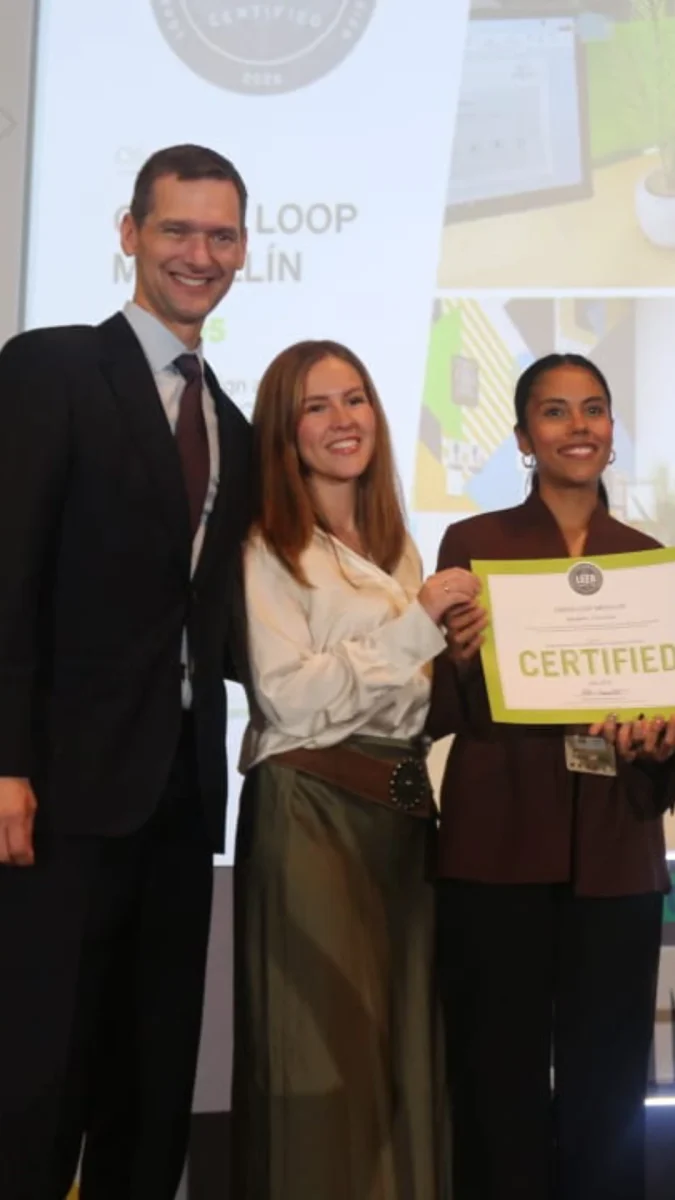
Being the first LEED v5 certified project in Latin America is an achievement we’re proud to celebrate. But we don’t see it as the finish line.We see it as the beginning. LEED v5 reflects where the building industry is headed.
Buildings will no longer be evaluated solely by how efficiently they operate. They will be expected to reduce carbon emissions, improve human health, restore ecosystems, strengthen communities, and generate long-term economic value.
That’s the future of sustainable construction. And at Green Loop, we believe leadership means being willing to take the first step.
By certifying our own office before asking others to do the same, we’ve gained the experience, knowledge, and confidence to help our clients navigate this new era of high-performance buildings.
The future has already begun. We’re proud to be helping shape it.
Want to stay updated?
If you enjoyed this content and want to stay updated on ideas, projects, events, and insights shaping the future of high-performing buildings, subscribe to our Insights Blog