

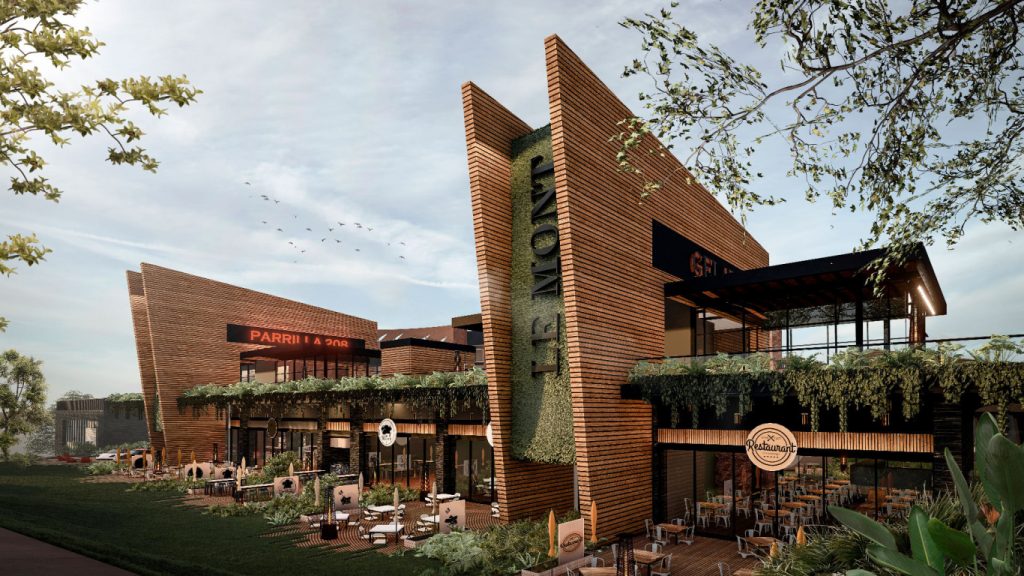
Innovations to reduce CO2 emissions and save energy, more efficient production processes and the use of recyclable materials in the construction of projects are some of the trends that are being imposed in the sector to mitigate their effects on the environment.
The construction sector is one of the main consumers of resources and generators of carbon emissions and waste in the world. In Colombia, the industry consumes 40 percent of energy, generates 30 percent of CO2 and 40 percent of waste, according to a study by the National Planning Department (DNP) that analyzed how the country is progressing in the Green Growth Mission.
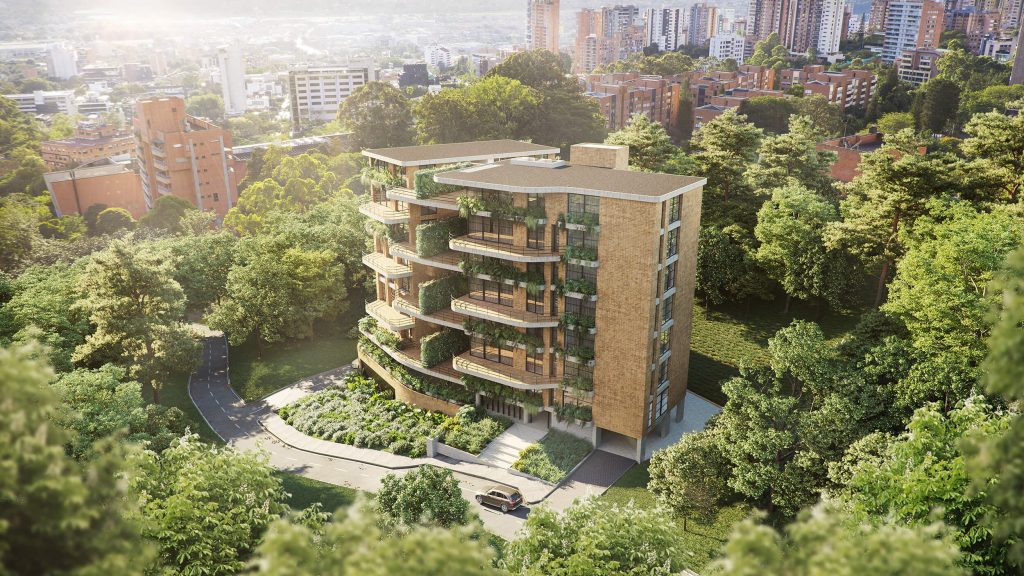
Against this backdrop, the sector has set ambitious goals to reduce environmental impacts through various sustainable construction projects that not only contribute to the environment, but also improve people’s quality of life and contribute to economic growth.
Precisely because of this dynamism, the Colombian Chamber of Construction (Camacol) identified as one of the main challenges between 2020 and 2030 the construction of 3.2 million housing units, taking into account that the population will increase by 7.4 million people and 82 percent will live in urban areas. Clemencia Escallón, founder of the Housing Observatory of the Universidad de los Andes, recalls that «housing impacts the condition and quality of life of families, individuals and society».

Colombia is currently the fourth country in Latin America with the most sustainable construction projects. According to Camacol, 57 cities and municipalities in the country have committed to the construction of this type of projects that generate a great environmental and social impact.
Article taken from: https://www.semana.com/nacion/articulo/hacia-donde-va-la-construccion-sostenible-en-colombia/202131/

