

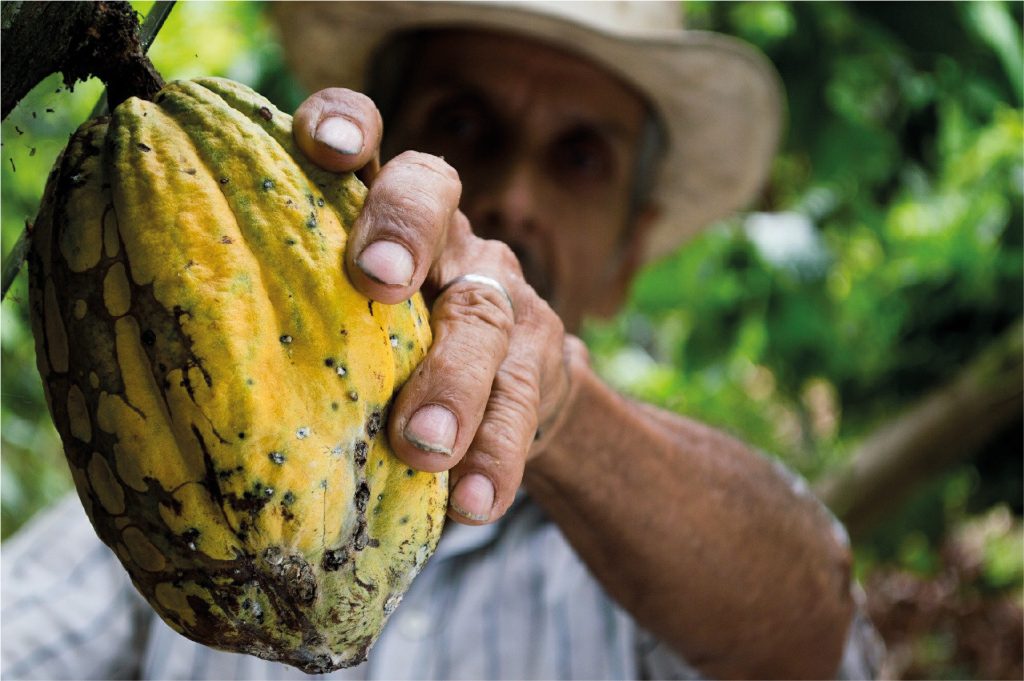
For this work it is essential to recognize the essential role of all farmers, producers, the government and companies that give continuity to initiatives aimed at training farmers.
The ANDI Food Industry Chamber and Raddar estimate that 48 million tons of food reach Colombians’ homes, of which around 18 million tons are fresh food and 20 million tons have some added value in the industry.
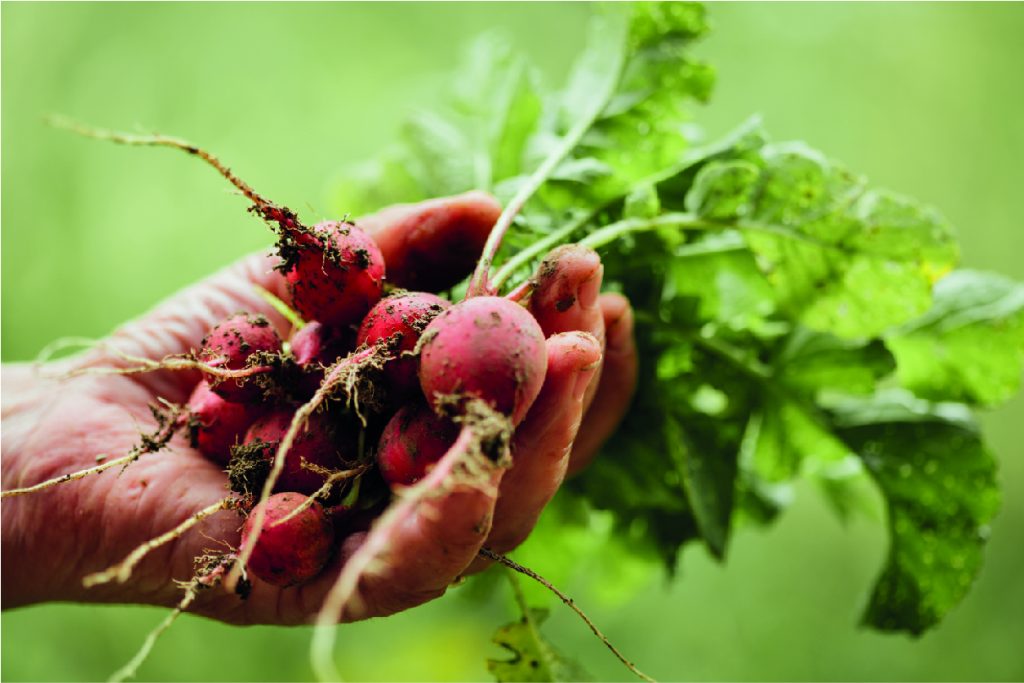
Precisely, in order for these products to reach Colombians’ tables on a daily basis with the highest quality standards and independently of challenging situations, an articulated work is carried out throughout the value chain, starting with work with farmers and ranchers in the agricultural and livestock sector, passing through the industries that process and dispatch at the national level, and reaching the distribution channels in stores and supermarkets.
Even during the pandemic, and with the objective of supplying food to all of Colombia, the business network worked constantly with the Colombian agricultural sector in order to make it a competitive scenario. For this work, it is essential to recognize the essential role of all farmers, producers, the government and companies that give continuity to initiatives aimed at training farmers and ensuring value relationships at various stages.
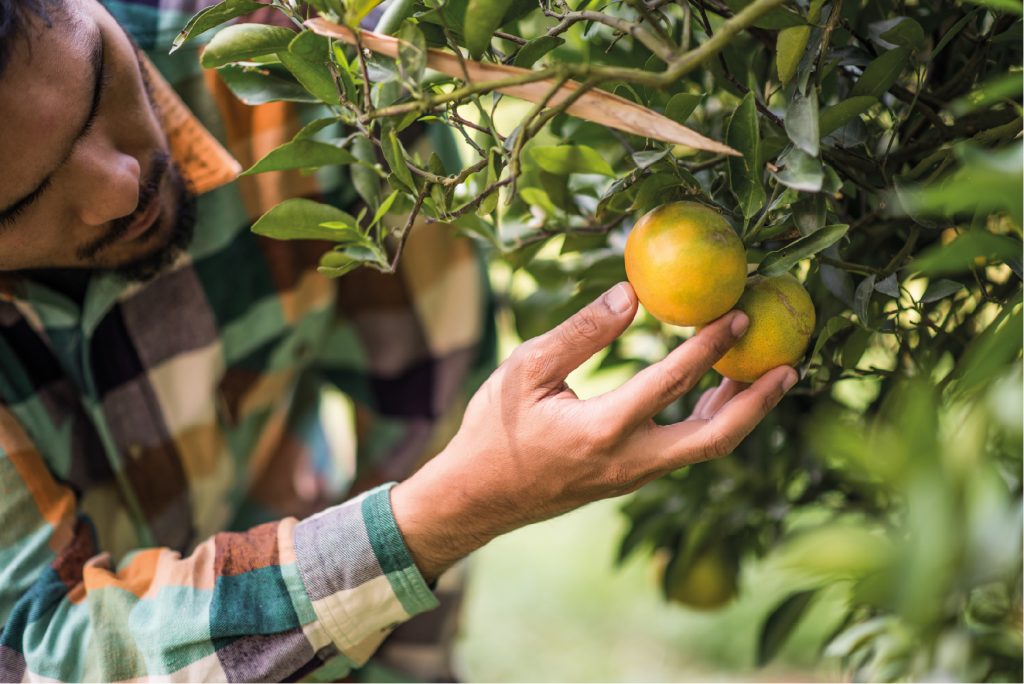
In order to continue contributing to the country’s development, while promoting compliance with the Sustainable Development Goals for 2030, the industry has proposed a change in the methods of production and consumption of goods and resources from linear production to the circular economy. It also seeks to contribute to SDG 2 Zero Hunger, with strategies such as reducing food waste in harvesting, production and supply chains, in line with initiatives that have been carried out for years worldwide.
In addition, one of the key aspects of sustainability is environmental conservation. Companies are increasingly committed to reducing their carbon footprint and reducing the negative impact of production.

