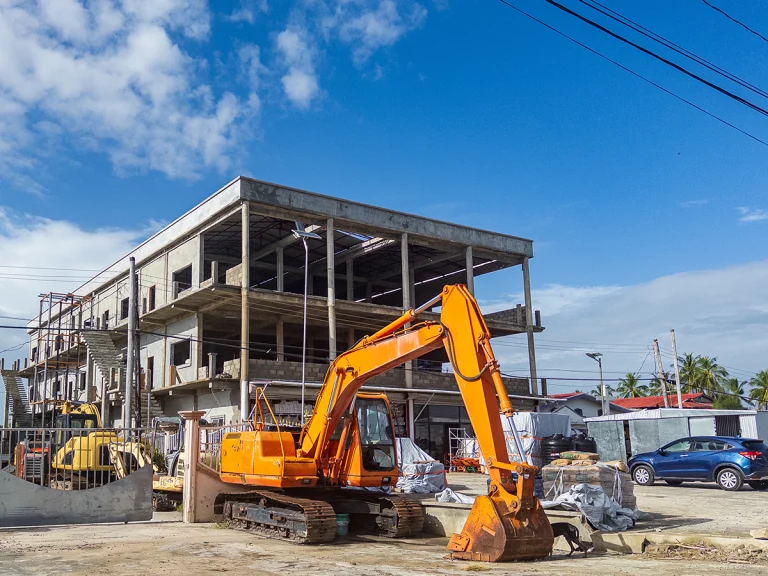
Net Zero isn’t solar panels. It’s everything that comes before them.

Sustainability in construction has entered a new phase. With the launch of LEED v5, the world’s leading green building certification system takes a decisive step toward addressing the most urgent challenges of our time: climate action, human well-being, and ecological resilience.
Developed by the U.S. Green Building Council (USGBC), LEED v5 moves beyond prescriptive compliance and places measurable impact at the center of decision-making. It provides a clear framework to guide projects toward near-zero carbon performance, healthier indoor environments, and long-term resilience — all while aligning sustainability with business outcomes.
What Is LEED v5?
LEED v5 represents a structural evolution of the certification system. Rather than focusing solely on individual credits, it reframes sustainability around three core impact areas that reflect today’s global priorities:
- Decarbonization
Address operational, embodied, refrigerant, and transportation-related emissions across the entire building lifecycle. - Quality of Life
Improve health, well-being, resilience, and equity for occupants and surrounding communities. - Ecological Conservation and Restoration
Reduce environmental degradation and actively contribute to ecosystem restoration.
These impact areas serve as a common language between designers, engineers, owners, and operators — helping teams move from intention to performance.
What’s New in LEED v5
LEED v5 introduces several changes that strengthen its role as a long-term sustainability framework:
- Five-Year Development Cycle
Offers greater predictability for the market, with LEED v5 officially launching in 2025 and designed to evolve through structured updates. - Lifecycle Continuity
Aligns data, metrics, and performance indicators from design and construction through operations and maintenance — reinforcing the idea that sustainability does not end at project delivery. - Higher Performance Thresholds
Updated Platinum requirements raise expectations around energy efficiency, carbon reduction, and renewable energy integration, setting a clearer distinction between good practice and true leadership.
Why LEED v5 Matters for Latin America
While LEED v5 is global in scope, its relevance in Latin America is particularly significant.
Across the region, projects face a unique combination of challenges: fast urban growth, aging building stock, climate vulnerability, regulatory fragmentation, and increasing pressure from international investors to demonstrate ESG performance. LEED v5 provides a flexible yet rigorous framework that helps bridge these gaps.
From Green Loop’s experience working across multiple countries and building typologies in Latin America, several lessons align closely with the direction LEED v5 is now taking:
- Decarbonization requires context-sensitive strategies
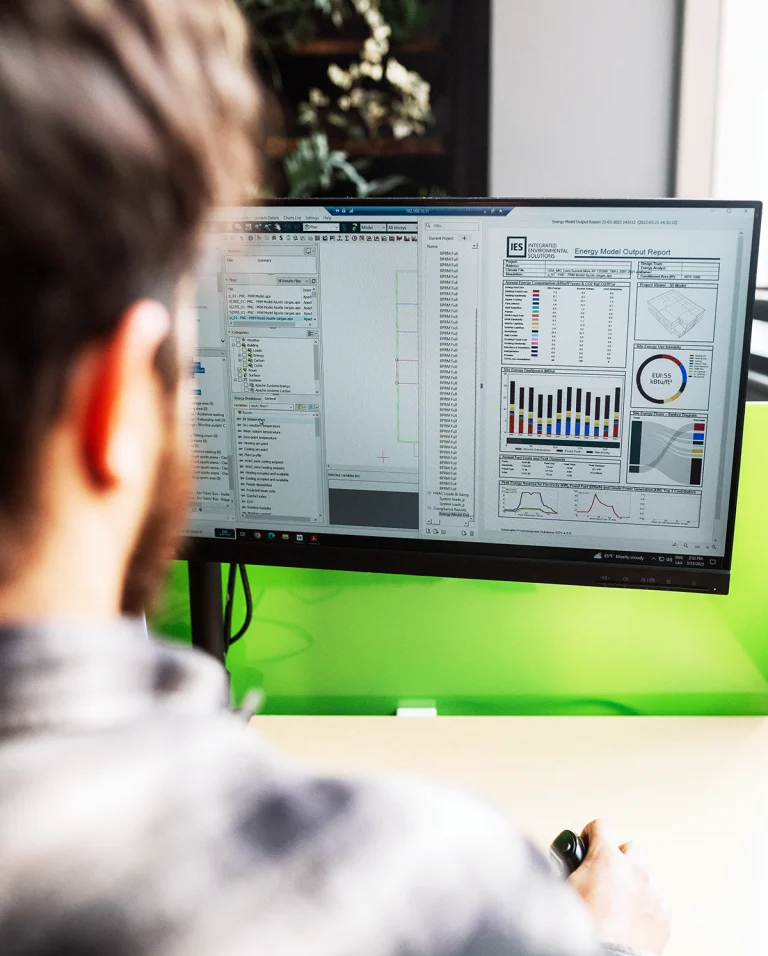
Energy grids, climate conditions, and operational realities vary widely across the region. Performance-based approaches — such as energy modeling, commissioning, and ongoing monitoring — are essential to deliver real carbon reductions. - Health and well-being are no longer optional
Indoor environmental quality, thermal comfort, and access to daylight have become central to asset value, occupant satisfaction, and productivity — especially in commercial, hospitality, and institutional projects. - Operational performance defines long-term success
Many high-performing buildings underdeliver once occupied. LEED v5’s emphasis on lifecycle continuity reflects a reality Green Loop has observed for years: sustainability only works when design intent is carried into operation.
Availability and Applications
LEED v5 is available for the following rating systems:
- BD+C (Building Design and Construction) – New construction, major renovations, and core & shell projects
- ID+C (Interior Design and Construction) – Commercial interior projects
- O+M (Operations and Maintenance) – Existing buildings
Project teams can track performance and manage certification workflows through Arc, enabling continuous measurement and improvement beyond certification.
Looking Ahead
LEED v5 reflects a broader shift in the built environment: from sustainability as a label to sustainability as a strategic, data-driven process. For projects in Latin America, this evolution represents both a challenge and an opportunity — to design, build, and operate assets that are resilient, competitive, and aligned with global climate goals.
At Green Loop, much of what LEED v5 now formalizes has been part of our work for over a decade: integrating engineering rigor, performance data, and lifecycle thinking to turn sustainability into measurable impact.
Learn More
To explore the full LEED v5 framework and its applications, visit the official USGBC page:
👉 https://www.usgbc.org/leed/v5