

Swimming Pool Thermal Modeling: Better Pools, Lower Costs
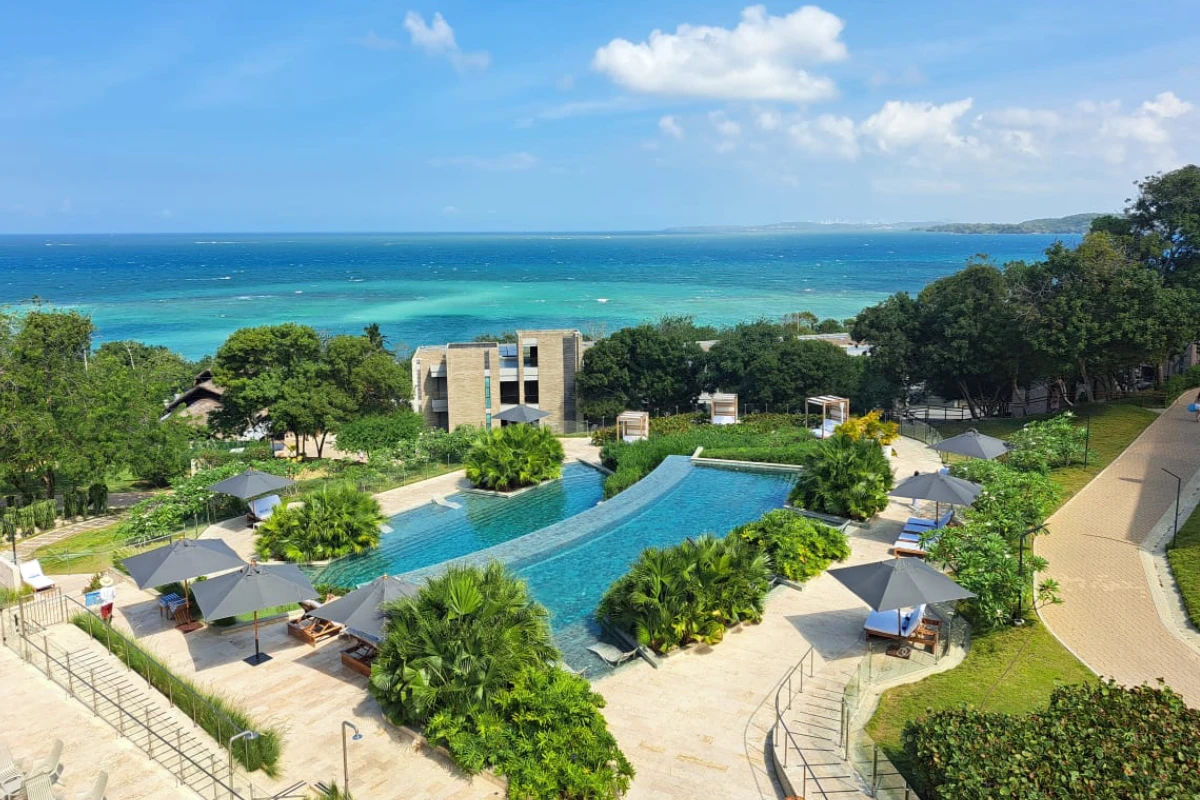
Swimming pool thermal modeling helps developers predict water temperatures, optimize heating systems, and reduce both CAPEX and OPEX in hotels, residential projects, and mixed-use developments. By understanding how pools interact with climate conditions, developers can improve comfort while avoiding unnecessary energy and infrastructure costs.
Traditionally, designers oversize heating systems using industry-standard calculations. However, these calculations ignore the complex interactions among water, air, and the surrounding environment. What is the real problem? Massive thermal inefficiency due to not understanding the specific physics between water and its thermal interactions. This situation is critical for developers, architects, and engineers seeking to deliver projects that are not only beautiful but also financially sustainable, user-comfortable, and environmentally responsible from day one. The approach here is simple: use science to predict, optimize, and save.
Why Swimming Pool Thermal Modeling Matters for Outdoor Pools
An outdoor swimming pool is essentially a large heat sink exposed to the atmosphere. Understanding how the energy transfer principles apply to the swimming pool allows us to predict its behavior. The physics of a swimming pool involves different mechanisms of heat loss and gains.
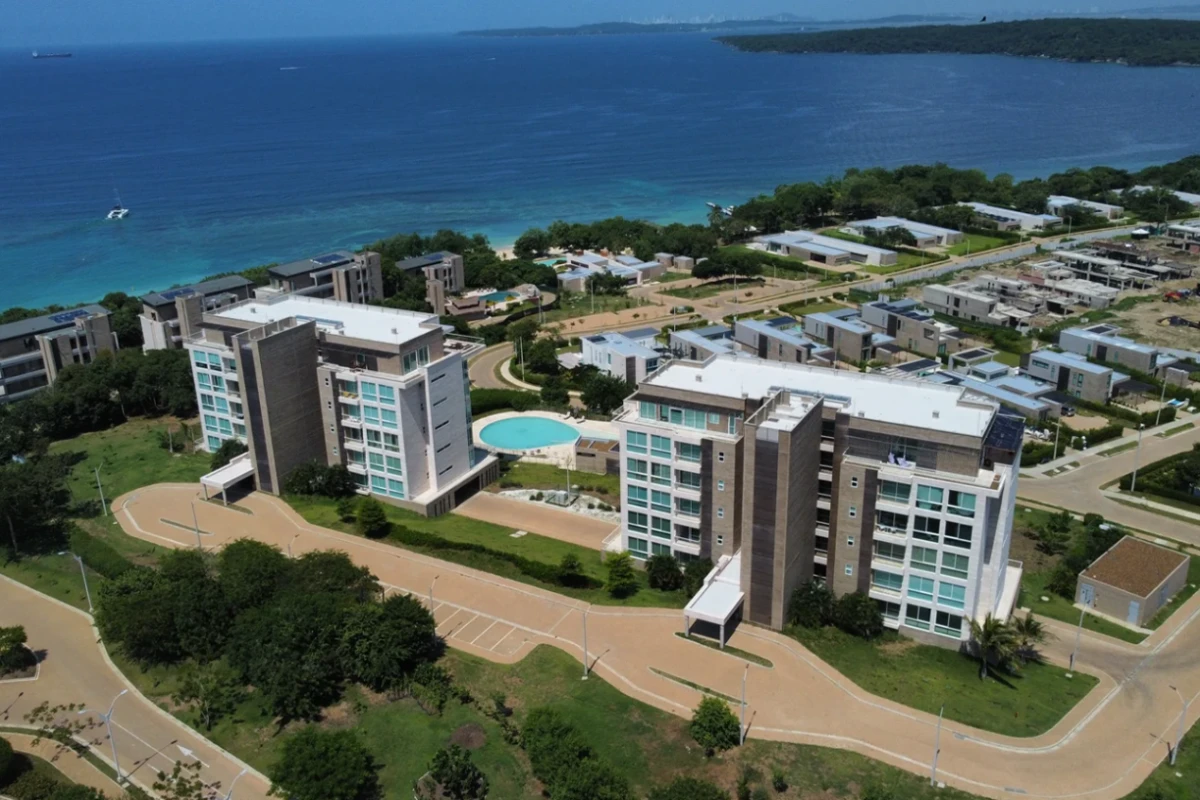
The Physics Behind Swimming Pool Thermal Modeling
The physical phenomena behind the energy model of a swimming pool, the beauty of heat transfer. The model uses the rate of change of the water’s thermal energy. However, the conduction loss through the pool walls and floor is negligible, since the design team places the pool below ground in a wet deck.
Q_pool=Q_evap+Q_conv+Q_cond+Q_rad+Q_refill-Q_solar
Evaporative Heat Loss: The Largest Energy Driver
In the first place, the evaporative heat loss is the dominant mechanism of heat transfer by a wide margin; it represents up to 60% of total losses. This process occurs when water molecules at the pool surface have enough kinetic energy to escape into the air.
As a result, the project faces greater uncertainty.
Advanced modeling, however, allows developers to predict performance more accurately.Moreover, there are two sub-mechanisms that contribute, forced convection and free convection, while forced convection occurs when wind blows across the pool, free convection occurs even in calm conditions. The model combines these two sub-mechanisms through a power blending rule.
In second place, convective (sensible) heat loss represents 20% of total losses and takes place when heat is transferred from the warmer pool surface to the cooler air by convection, but without phase change.The driving force in this case is the difference between the saturation vapor pressure and the actual partial pressure of water vapor in the ambient air.
Radiative and Solar Heat Transfer
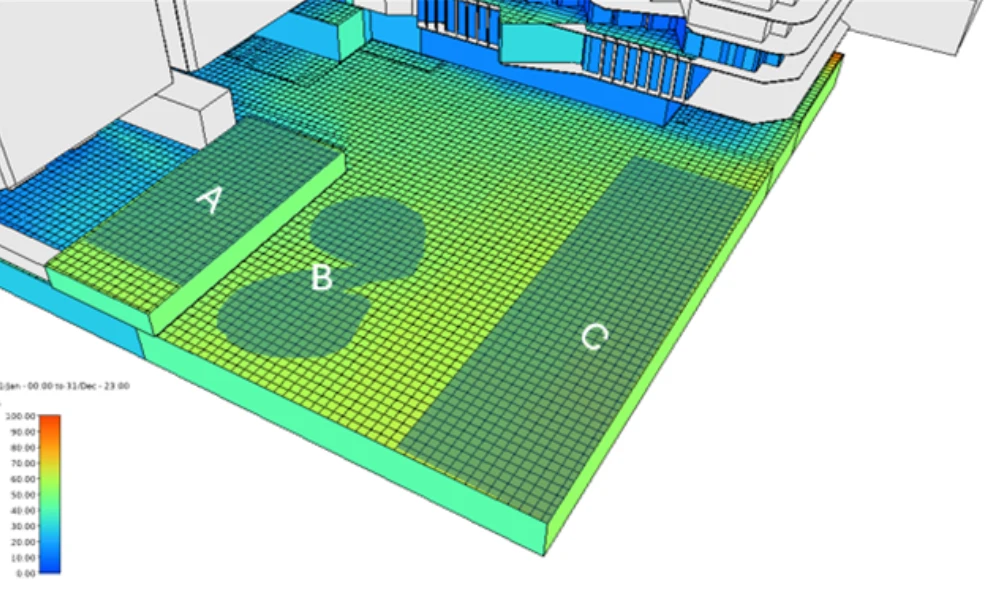
By contrast, convective heat transfer depends on the temperature difference between the water and the surrounding air. In addition, the surrounding podiums cast shadows that further affect thermal performance.
Also, this model considers the wind direction dependence with the non-dimensional numbers Nusselt/Prandtl following the heat-mass analogy.
In third place, the radiative heat loss can represent 20% of total losses. This heat loss occurs since the effective sky temperature is much colder than the ambient air temperature. In other words, clear skies mean colder effective sky temperatures and larger radiative losses; clouds act as a warm blanket that reduces them.
This gives us a clue on how to model the temperature of the sky, where the sky emissivity depends on the dew point temperature and cloud cover. However, the pool does not see only the sky, there are surrounding structures that can block about 31% of the hemisphere above the pool, these structures are roughly at ambient temperature, so they partially shield the pool from the cold sky and reduce radiative losses.
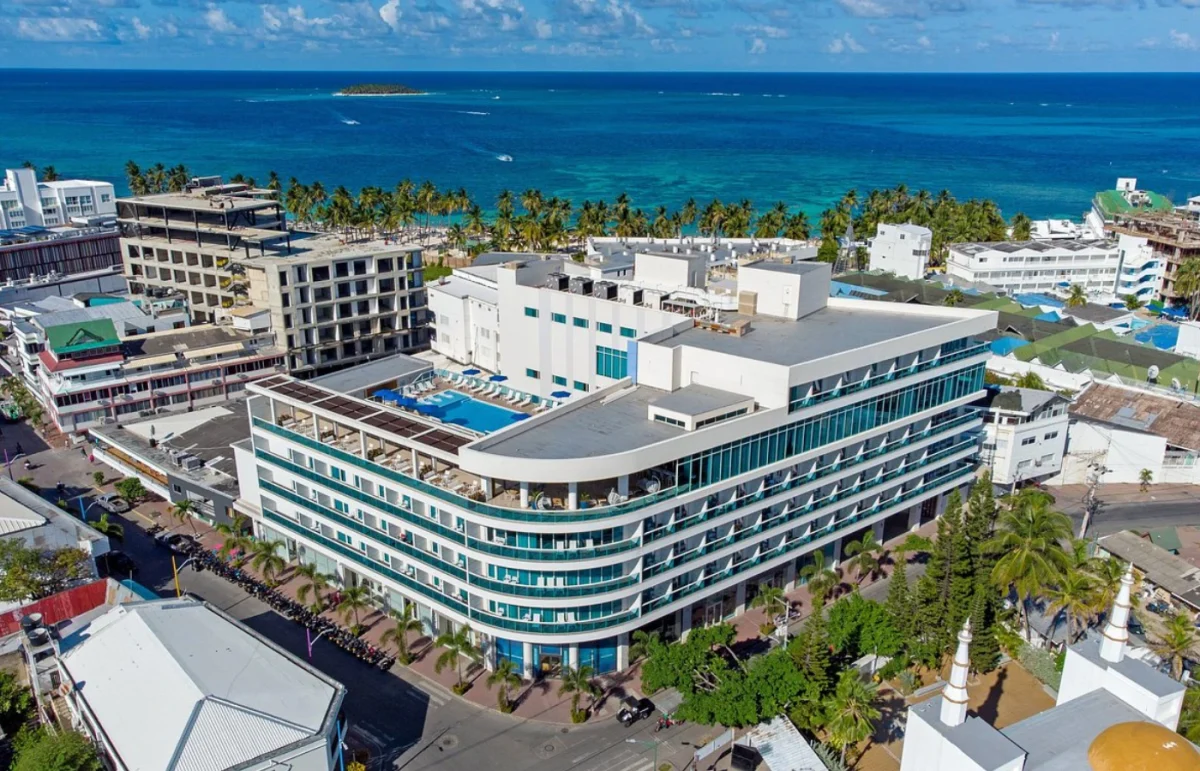
This geometric factor is known as the view factor. Finally, beam and diffuse solar radiation absorbed by the pool is the primary natural heat gain. Cloud covers this using the same okta-based model. The surrounding podiums also cast shadows, so beam radiation is only counted when the solar altitude clears the angular obstruction of the structures.
In addition, during precipitation, The model assumes that raindrops fully absorb beam radiation. (so only diffuse radiation reaches the pool), and the raindrops act as a blackbody shield between the pool and the cold sky, effectively eliminating radiative cooling.
Without a detailed analysis of these site-specific factors any installed heating system is not going to be optimized and perform in a proper way. This is precisely where swimming pool thermal modeling creates value by allowing teams to predict thermal behavior before construction begins.
How Swimming Pool Thermal Modeling Improves Performance
At Green Loop, we don’t rely on a rough estimate; we build a model using accurate, precise data. We use advanced modeling tools, such as dynamic bioclimatic and energy simulations and even Computational Fluid Dynamics (CFD), to create a model of the pool and its exterior context, such as the main buildings of the development and the adjacent buildings that could also create shade projections that will affect the pool performance. This process allows us to predict the pool’s thermal behavior hour by hour over an entire year of historical weather conditions with high accuracy.
Our workflow includes:
Local Climate Analysis
We analyze hourly climate data, including solar radiation, temperature, humidity, wind speed, wind direction, and cloud cover. This information allows us to understand how local conditions influence pool performance.
Water Temperature Prediction
Using dynamic energy transfer equations, we predict water temperature hour by hour throughout the year. This baseline model allows developers to understand expected thermal behavior before construction begins.
Optimization Strategy Assessment
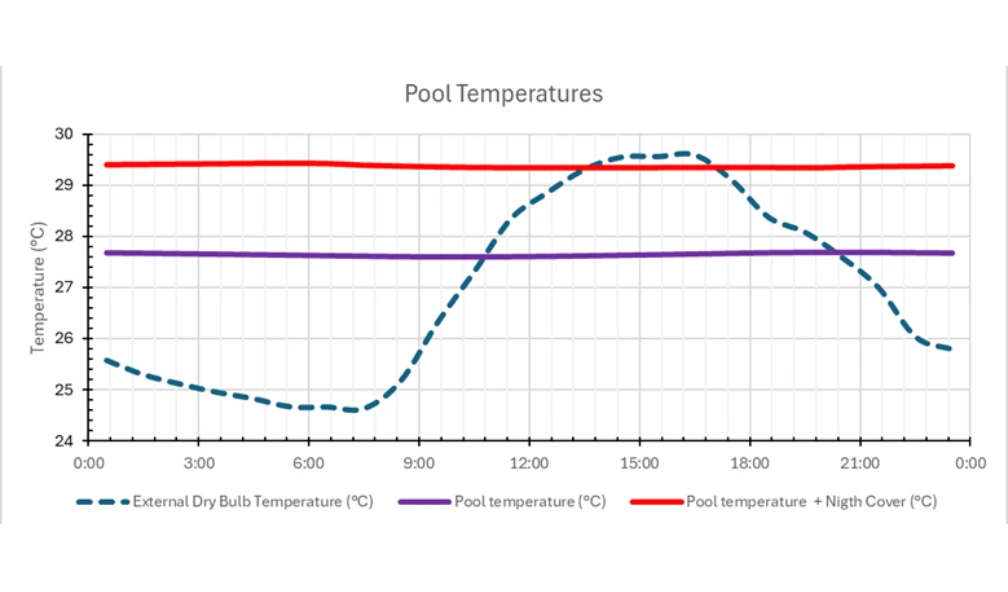
Once the baseline model is complete, we simulate different strategies, including pool covers, passive solar gains, and alternative heating systems to identify the most efficient solution.
What High-Performance Projects Demonstrate
Let’s look at two projects that demonstrate how sustainability, performance, and profitability can work together.
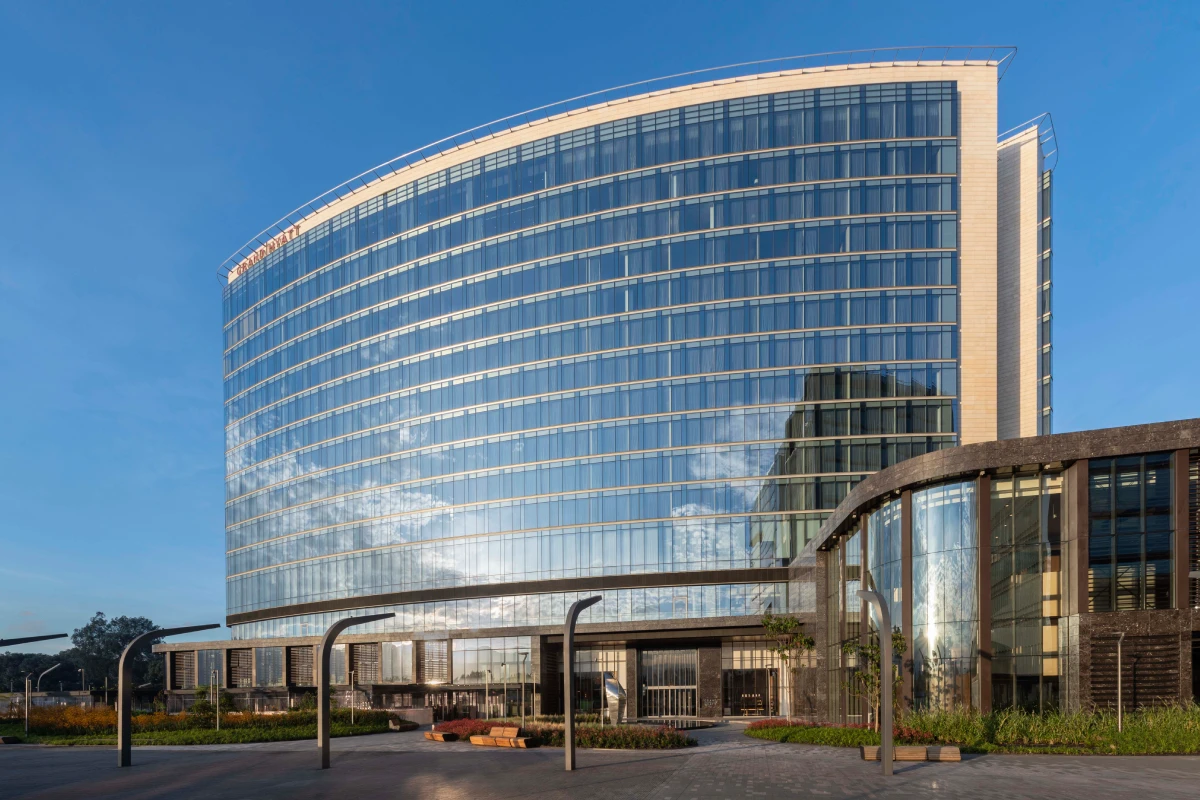
Both projects achieved sustainability certifications, reduced long-term operational costs, and avoided unnecessary capital expenditures — not by adding more technology, but by making better decisions early in design.
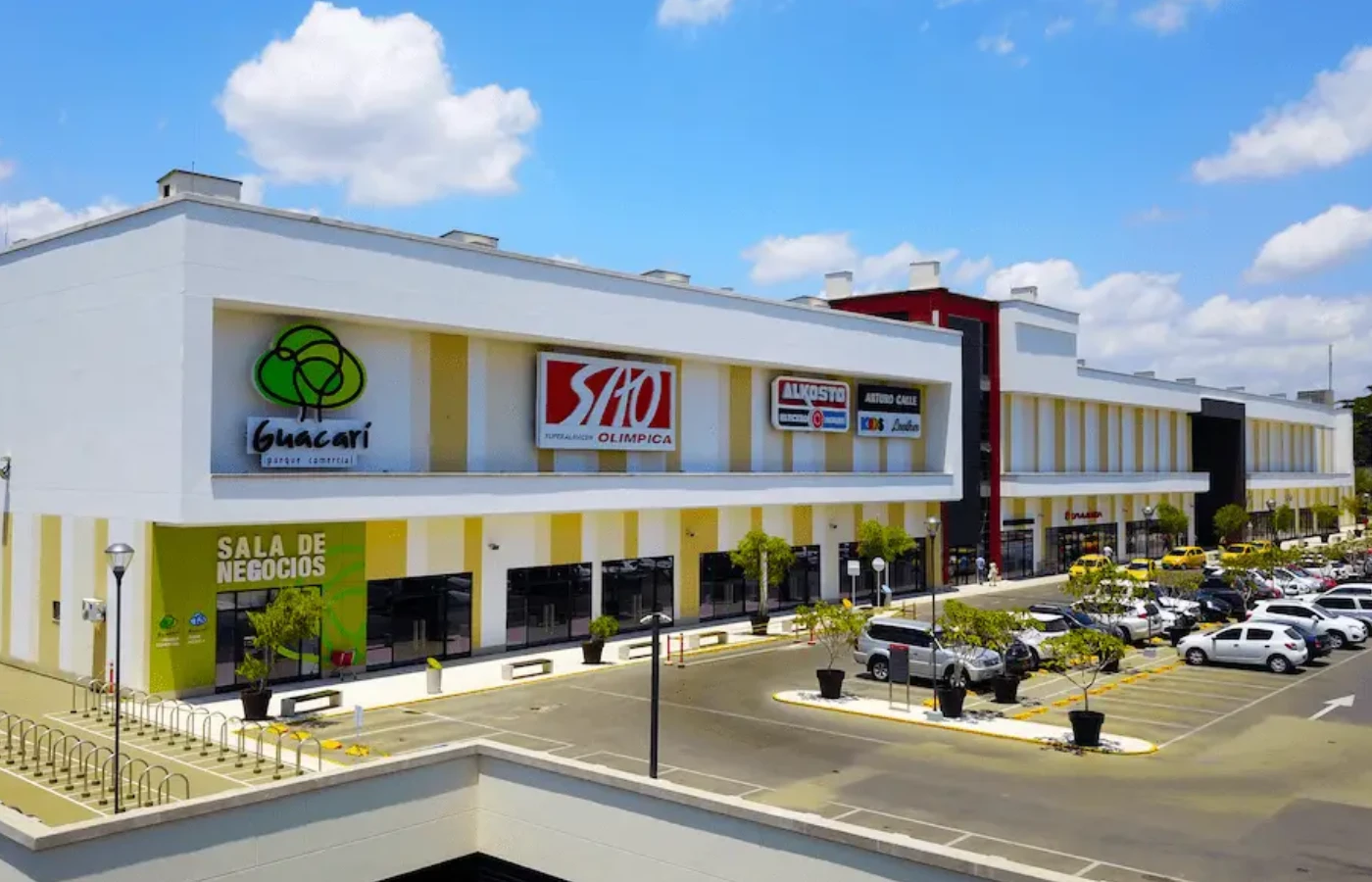
Effective swimming pool thermal modeling allows developers to test different strategies and avoid unnecessary heating infrastructure.
A Swimming Pool Thermal Modeling Case Study
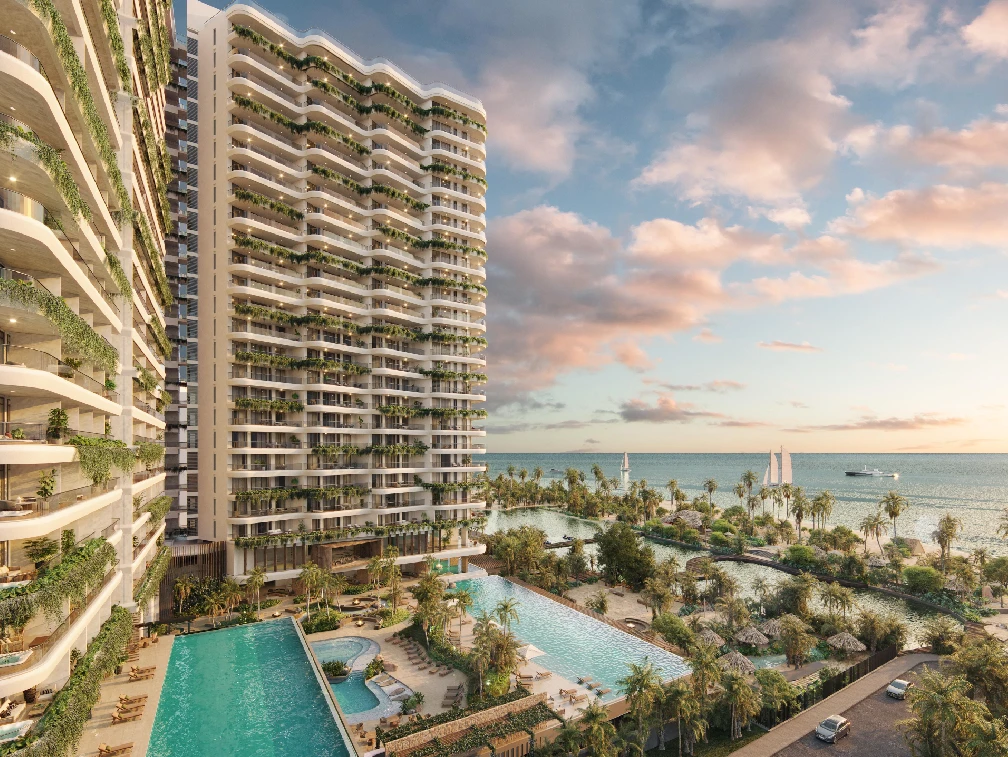
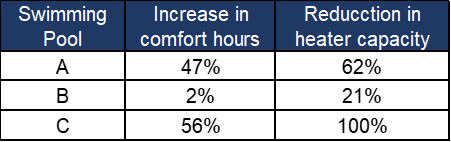
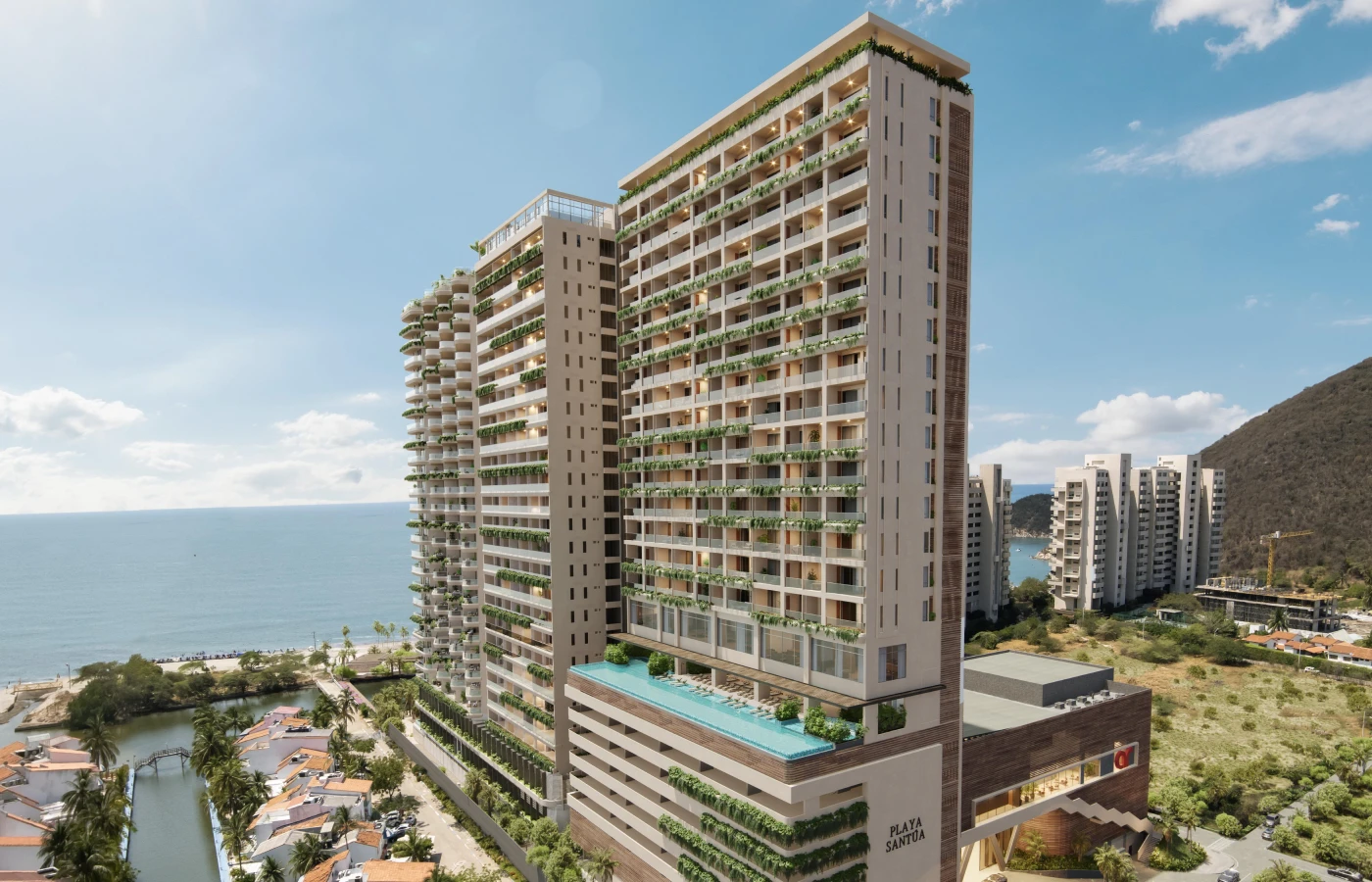
In a recent project, for a luxury residential and hotel development, located on the Colombian Caribbean coast, we faced the challenge of ensuring thermal comfort in the main outdoor swimming pools with different temperature requirements.
Using dynamic heat transfer models, we simulated solar radiation, local wind speed, air temperature, relative humidity, and other climate variables. These simulations allowed us to predict pool performance with greater accuracy..


The Business Value of Swimming Pool Thermal Modeling
Advanced pool modeling is not an additional cost. Instead, it is an investment that reduces performance risks and improves long-term outcomes. By working with us, you can get:
Operating Expense (OPEX) Protection: Eliminating the uncertainty of future operating costs, ensuring the pool does not become a financial overcost.
Capital Expenditure (CAPEX) Optimization: Avoiding oversizing heating equipment and associated electrical or gas infrastructure, freeing up budget for other areas of the project.
Brand Value and Sustainability: Demonstrating a genuine commitment to reducing the carbon footprint and using resources efficiently, a factor increasingly valued by investors and end users.
Guaranteed Comfort: Ensuring the pool maintains the desired temperature, improving the end-user experience without incurring increased costs.
Ultimately, swimming pool thermal modeling transforms pool design from an exercise in aesthetics into a measurable performance strategy.
Ready to design assets that perform better over time?
Start a strategic conversation with Green Loop today to discuss how our team of engineers and architects can integrate advanced modeling into the early design phase of the swimming pools of your project.
Explore more Insights


Want to stay updated?
If you enjoyed this content and want to stay updated on ideas, projects, events, and insights shaping the future of high-performing buildings, subscribe to our Insights Blog