

Regenerative Hospitality for US and Caribbean Hotels in 2026
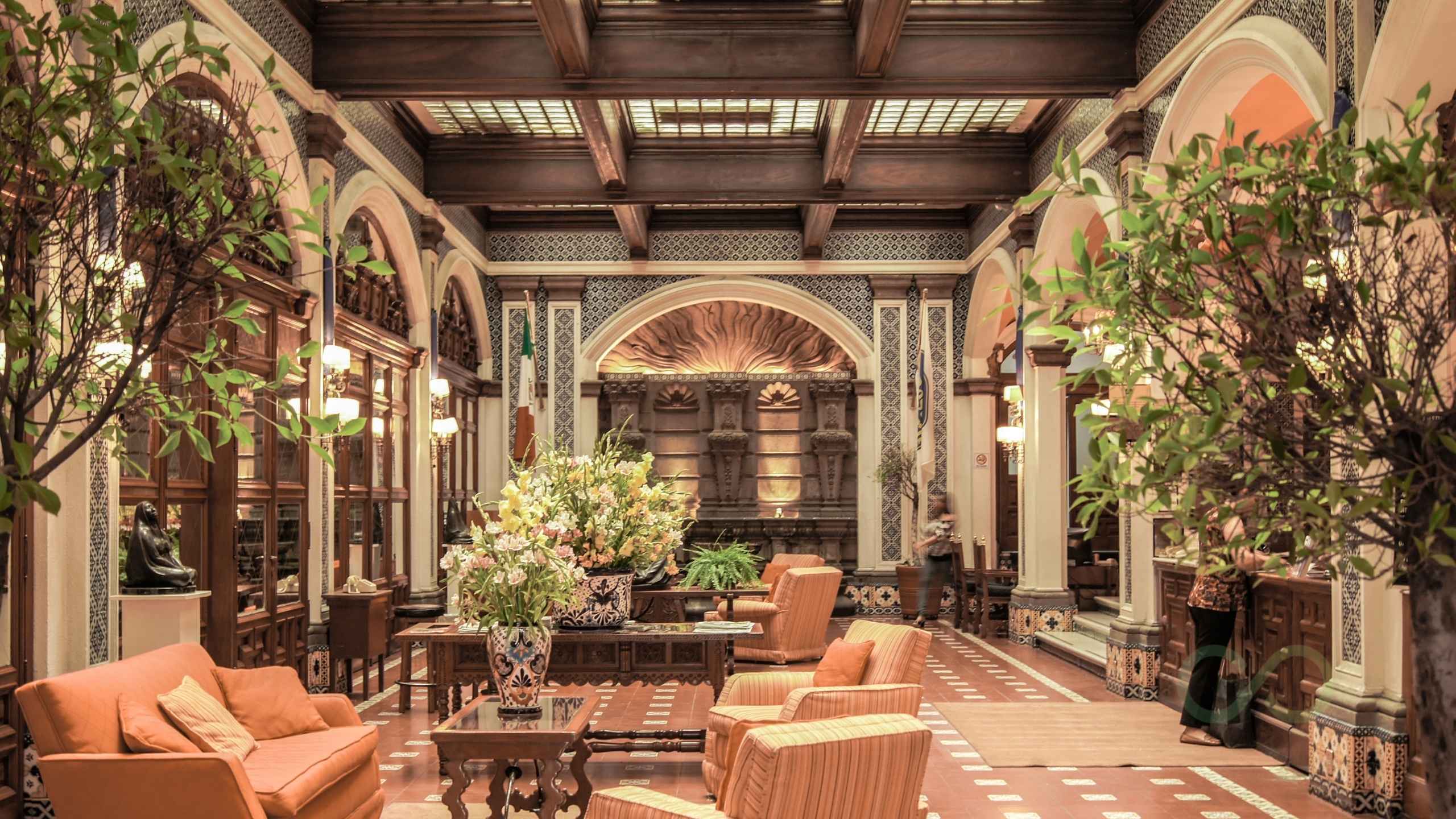
Regenerative hospitality moves hotels from reducing harm to restoring reefs, soil, and local economies. Learn the five principles, verified Caribbean cases, and three tests that separate regeneration from marketing.
Sustainability asks a hotel to do less damage. Regenerative hospitality asks it to leave the reef, the town, and the workforce in better condition than it found them. That shift separates the properties guests remember from the ones they compare on price.
What is regenerative hospitality? It is an operating model in which a hotel measures success by the health of the place it depends on: coastline, water, soil, culture, and local livelihoods. The property stops treating its surroundings as scenery and treats them as partners. For US and Caribbean hotels, where the product is the beach itself, this is a business question before it is an ethical one.
Sustainable vs regenerative: the real difference
Sustainable operations reduce harm. They cut kilowatt-hours, cubic meters of water, and single-use plastic, then certify the result. That work matters and remains the entry ticket. But sustainable vs regenerative is a question of direction, not intensity. Sustainability aims at zero net damage. Regeneration aims at net gain for the ecosystem and the community.
Giles Hutchins and Laura Storm frame this in Regenerative Leadership (2019) as a move from organizations that extract from living systems to organizations that participate in them. Architect Bill Reed’s trajectory model makes the same point in stages: conventional, efficient, sustainable, restorative, regenerative. Most certified hotels sit at “sustainable.” A regenerative hotel keeps moving.
The difference shows up in the questions a leadership team asks. A sustainable hotel asks how much water it uses per occupied room. A regenerative hotel also asks whether the aquifer the town shares holds more or less water than five years ago, and what the hotel did about it.
The five principles of regenerative hospitality
Five principles turn the concept into design criteria. Together they describe regenerative design for hotels at the level of property, operations, and governance.
- Place first. Every decision starts with what this coastline, forest, or town needs, not with a brand standard imported from headquarters. Sense of place is an operating input, not decoration.
- Communities as protagonists. Residents share decision power over projects that affect them. Community governance replaces consultation.
- Ecosystem restoration. The hotel funds and measures recovery of natural capital: reefs, mangroves, dunes, native forest.
- Closed material cycles. Water, food, and waste loop back into the site or the local economy.
- Learning and reciprocity. Guests, staff, and neighbors exchange knowledge, and value flows both ways.
None of the five works alone. A coral nursery beside a resort that imports its entire workforce and menu is a marketing asset, not regeneration. Place-based hospitality requires all five to hold at once. The second principle is the one properties most often leave for later
What regenerative tourism looks like in Caribbean operations
The clearest evidence comes from properties that publish results. Iberostar’s Wave of Change program runs a land-based coral lab at Playa Bávaro, Dominican Republic, with a genetic bank of nine reef-building species. The program has contributed to 13 peer-reviewed publications and planted more than 12,000 corals across the Caribbean in 2024, with guest excursions helping fund the work. That is regenerative tourism with measurable results.
In Jamaica, the GoldenEye Foundation co-manages the Oracabessa Bay Fish Sanctuary with the Oracabessa Fishers Association. Local fishermen work as sanctuary wardens, coral gardeners, and certified dive masters, and the foundation reports more than 35,000 corals transplanted from its nurseries. Governance sits with the community, which is the principle missing almost everywhere else.
Aruba’s Bucuti & Tara Beach Resort became the Caribbean’s first CarbonNeutral certified hotel in August 2018, verified by Natural Capital Partners, and now manages a 32-acre nature preserve with a local reforestation group. In Punta Cana, Fundación Grupo Puntacana stewards the 1,500-acre Ojos Indígenas Ecological Reserve, land donated by the resort group, alongside coral, beekeeping, and endemic species programs. [Internal link: Q3 #2 Sustainable Hotels Caribbean]
Note the pattern across all four. Each restores a specific ecosystem, employs local people in the restoration itself, and reports numbers a third party can check. Food sourcing follows the same logic: contracts with nearby farms practicing regenerative agriculture rebuild soil and keep spending inside the destination.
How to avoid greenwashing
Regeneration is now a marketing word, so apply three tests before you use it or believe it. First, measurable outcomes: coral survival rates, fish biomass, hectares restored, share of payroll to residents. Commitments do not count. Second, third-party verification: EarthCheck, Green Globe, or peer-reviewed monitoring instead of self-reported claims. [Internal link: Q3 #11 EarthCheck Case Study] Third, community governance: who decides, and can residents say no?
A property that fails all three but uses the word is greenwashing, whatever its intentions. A property that passes two and is honest about the third is on a credible path. ESG investors and journalists at outlets like Skift already apply these filters. Your reporting should survive them before your press release does.
How to start: an honest roadmap
Begin with a property and place assessment that maps the ecosystems, water sources, supply chains, and communities your hotel touches. Include your energy and carbon baseline, because net zero remains the foundation regeneration builds on. [Internal link: Q3 #7 Net Zero Hotels]
Next, form local partnerships before you announce projects. A fishers’ association, a watershed council, a farmers’ cooperative, or a university lab should hold a formal role. Then define indicators beyond kWh and m³: species counts, soil organic matter, percentage of local hires, guest participation in restoration activities.
Design decisions lock in early. Renovations and new builds fix material cycles for decades, so integrate regenerative criteria at the construction stage, not after opening. [Internal link: Q2 #12 Construction Trends]
This is where Green Loop comes in. We start with your baseline, including the energy and carbon data you may already collect for LEED, EDGE or EarthCheck, and connect it to place-level indicators your community can verify. We structure the local partnerships, define the metrics, and set up third-party verification so every claim survives the three tests above. Certification is one tool in that process, and we know how to use it. Regeneration is the goal.
Time to solve some common doubts
What is regenerative hospitality in one sentence?
A hotel model that measures success by the improving health of the ecosystem and community it depends on, not only by reduced consumption.
Is regenerative the same as net zero?
No. Net zero balances emissions. Regeneration goes further by restoring natural and social capital. Net zero is the first step in the majority of the cases.
Can a large all-inclusive resort be regenerative?
Yes, if it meets the five principles at scale. Iberostar’s coral program shows large operators can fund science-backed restoration.
How do I know a hotel’s regenerative claim is real?
Ask for measurable outcomes, third-party verification, and evidence that residents hold decision power.
How much time does the transition demand?
Baseline and partnerships take months. Ecological results, such as coral growth or soil recovery, take years, so plan indicators on both timelines.
The next decade will sort Caribbean and US coastal hotels into two groups: those that consume their destination and those that rebuild it. Guests and investors are already choosing sides. Regenerative hospitality is the operating model of the second group, and the properties that start now set the benchmarks everyone else will be measured against.
Book your free Regenerative Pathway Session. In one hour with Green Loop you leave with three things: where your property sits on the trajectory from sustainable to regenerative, the first indicators you can start measuring this quarter, and the local partners that make sense for your destination. No certification pitch.
Explore more Insights


Want to stay updated?
If you enjoyed this content and want to stay updated on ideas, projects, events, and insights shaping the future of high-performing buildings, subscribe to our Insights Blog