

EarthCheck Certification: Sustainable Beach Club Guide

Learn how a sustainable beach club can protect dunes, source MSC-certified seafood, keep greywater away from the shore, and earn Blue Flag, Green Fins, or EarthCheck recognition—without lecturing guests.
A sustainable beach club operates on the thinnest margin in hospitality: a strip of sand between paying guests and a living marine ecosystem. Every straw, every liter of rinse water and every deck light either stays on your side of that line or crosses it. Pew Charitable Trusts and SYSTEMIQ estimate that roughly 11 million metric tons of plastic end up in the ocean each year. Coastal F&B is one of the few sectors that can stop part of that flow at the source.
Why are beach clubs a different sustainability problem?
A rooftop bar can recycle poorly and nobody notices. A sustainable beach bar has no such buffer. Its waste has a direct route to the water, its lighting reaches nesting turtles, and its foot traffic compacts the same dune that protects the building from storm surge.
Volume compounds the risk. A single Caribbean resort beach club can serve thousands of guests a week in high season, with guests moving between sand, water and bar carrying cups, sunscreen and food. Reefs within snorkel distance absorb whatever washes off. That is why coastal F&B sustainability starts with the site, not the menu.
Site and building design that protects the dune
Build back and build light. Elevated structures on piers keep sand and groundwater moving underneath, and permeable pavements let rain infiltrate instead of channeling runoff into the tidal zone. Locate hard surfaces landward of the primary dune and use boardwalks, not paths, for beach access.
Native vegetation does the structural work. Sea oats, sea grape and railroad vine anchor sand and recover after storms, while imported ornamentals need irrigation and fail in salt spray. In Florida, any work seaward of the Coastal Construction Control Line requires state permitting, and beachfront lighting must be low, long-wavelength (amber or red) and shielded from the beach during turtle nesting season under FWC guidelines.
A minimal footprint is also the cheapest one to rebuild after a hurricane.
Ocean-friendly F&B operations
Ocean-friendly hospitality begins at the bar. Eliminate single-use items end to end, not only straws: cups, cutlery, sachets, stirrers and portion packs. Serve water from refill stations and price bottled water out of the menu. Iberostar went single-use-plastic free in 2020 and reports 692 tons of plastic eliminated since 2018.
Seafood is your second lever. Source MSC-certified species or those rated “Best Choice” or “Good Alternative” by Monterey Bay Aquarium’s Seafood Watch, and drop reef fish that local populations cannot sustain. Lionfish, an invasive species across Florida and the Caribbean, is a menu item that helps the reef every time it sells.
Cocktails follow the same logic. Build a tropical program around fruit and herbs grown on the island or within your state, and cut air-freighted garnish. Train staff on beach protocols: no service on the foreshore below the line of seaweed left by the last high tide, sunscreen-free dining areas near the water, and a clear rule that nothing leaves the deck in a guest’s hand that can end up in the surf.
Water, waste and energy systems that never reach the sea
The rule is absolute: no discharge to the ocean. Greywater from bars, kitchens and showers goes to a lined treatment system or a municipal connection, never to a soakaway in the sand. Where treatment is on site, reuse the output for landscape irrigation landward of the dune.
Sort waste at the point of generation, on the beach, with labeled stations for organics, recyclables and residual. Compost fish trimmings and fruit waste in enclosed units set back from the tide line, since salt and moisture kill an open pile.
Energy resilience decides whether you open the morning after a storm. Solar with battery storage covers night operations, refrigeration and lighting, and keeps cold chains intact when the grid fails. A beach club on a Blue Flag beach can pair this with amber, shielded exterior lighting so the array never becomes a turtle hazard.
Guest communication and certifications that count
Guests join programs they can see. Post water quality results, host monthly beach cleanups with the dive shop, and hand snorkelers a one-card reef guide instead of a lecture. Education works when it is short, visual and optional.
Three certifications fit a beach club, and they cover different things:
| Program | What it certifies | Process and cost |
| Blue Flag (FEE) | The beach: water quality, environmental education, management, safety | Annual award through the national operator, criteria published, cost set per country |
| Green Fins (Reef-World / UNEP) | Dive and snorkel operations, 15-point code of conduct | Free or pay-what-you-can for certified membership, annual on-site assessment |
| EarthCheck | Whole-property operations benchmarked against peers (energy, water, waste) | Annual third-party audit, GSTC-recognized, fees vary by property size |
Blue Flag applies to the beach itself, so it usually runs through the municipality or resort operator. Green Fins and EarthCheck belong to the business. Running two of the three gives you both a public-facing beach award and an auditable operations standard.
Choosing which two, and in what order, depends on where you are: a Dominican Republic property can pursue Green Fins certified membership, a Florida club cannot, and Blue Flag runs through the municipality. Greenloop maps that path before you spend on the wrong audit.
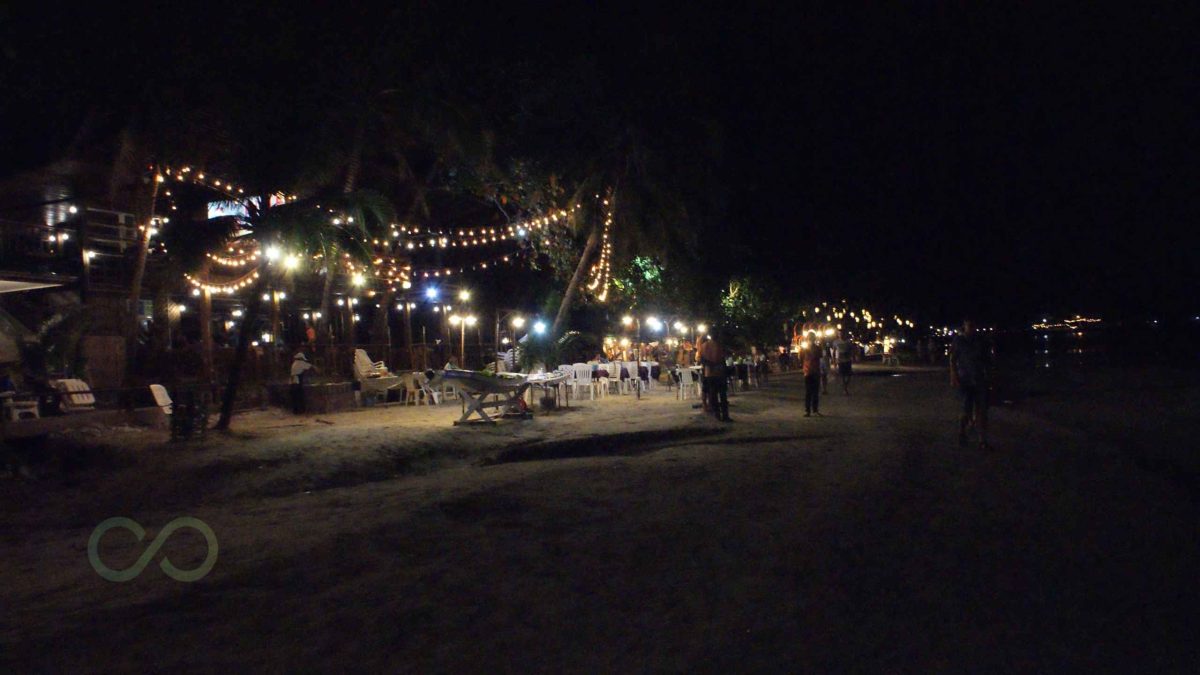
These are some case examples from the region
In January 2024, Sandals and Beaches Resorts became the first resort company to enroll their entire portfolio as Green Fins digital members. Iberostar’s Wave of Change program has served MSC-certified fish in its Dominican Republic and Mexico properties since 2019 and runs coral nurseries on its coastal sites.
Both cases show the same pattern: plastics first, seafood second, then reef and coastal projects that give guests something to point at.
Time to solve some common doubts
How do you make a beach club sustainable?
Start with the site: minimal footprint, elevated structure, native dune plants and turtle-safe lighting. Then remove single-use plastics, source certified seafood, treat all greywater on land and sort waste on the beach. Certify with Blue Flag, Green Fins or EarthCheck to make the results auditable.
Do sustainable operations cost more?
Upfront, yes for solar storage and greywater treatment. Operating costs fall through lower water, energy and waste hauling bills, and EarthCheck reports its clients have saved more than $500 million in operations since the program began.
Can a small independent beach bar get certified?
Green Fins membership is free to join and fits small snorkel and dive operators. Blue Flag runs through your municipality or beach operator, so ask first whether your beach is already enrolled.
It’s also worth to say that in the Dominican Republic or Antigua, you can opt for the certified version (voluntary payment, annual on-site audit); in Florida and the rest of the region, only the digital version applies (USD 140 + 60/year, self-assessment).
What lighting rules apply in Florida?
FWC’s wildlife lighting criteria: fixtures mounted low, long-wavelength bulbs of 560 nm or more, and full shielding from the beach. County ordinances set the nesting season window, often March through October.
Where do we start?
Most operators begin with plastics because it is visible. The bigger returns sit in the parts guests never see: the greywater line, the battery bank and the dune you left alone. Those decisions interact, and they are easiest to get right before the first pour, when the site plan, the utility connection and the certification path can still be designed together.
Planning or renovating a beach club? Book a Sustainability Design Consultation with Greenloop before the site plan closes. We map your water, waste, energy and F&B systems against the three certifications that count and tell you which ones you can actually earn where you are.
Explore more Insights


Want to stay updated?
If you enjoyed this content and want to stay updated on ideas, projects, events, and insights shaping the future of high-performing buildings, subscribe to our Insights Blog