
CTIC
Project
CTIC- Centro de Tratamiento e Investigación sobre Cancer
Location
Bogotá
Ecosystem
Healthcare
Project type
Healthcare
Client
Construcciones planificadas
Area
528,443 sq ft [49,094 m²]
Services
LEED, Energy Modeling, bioclimatic design, commissioning
In healthcare projects, sustainability isn’t an added value—it’s an essential part of care.
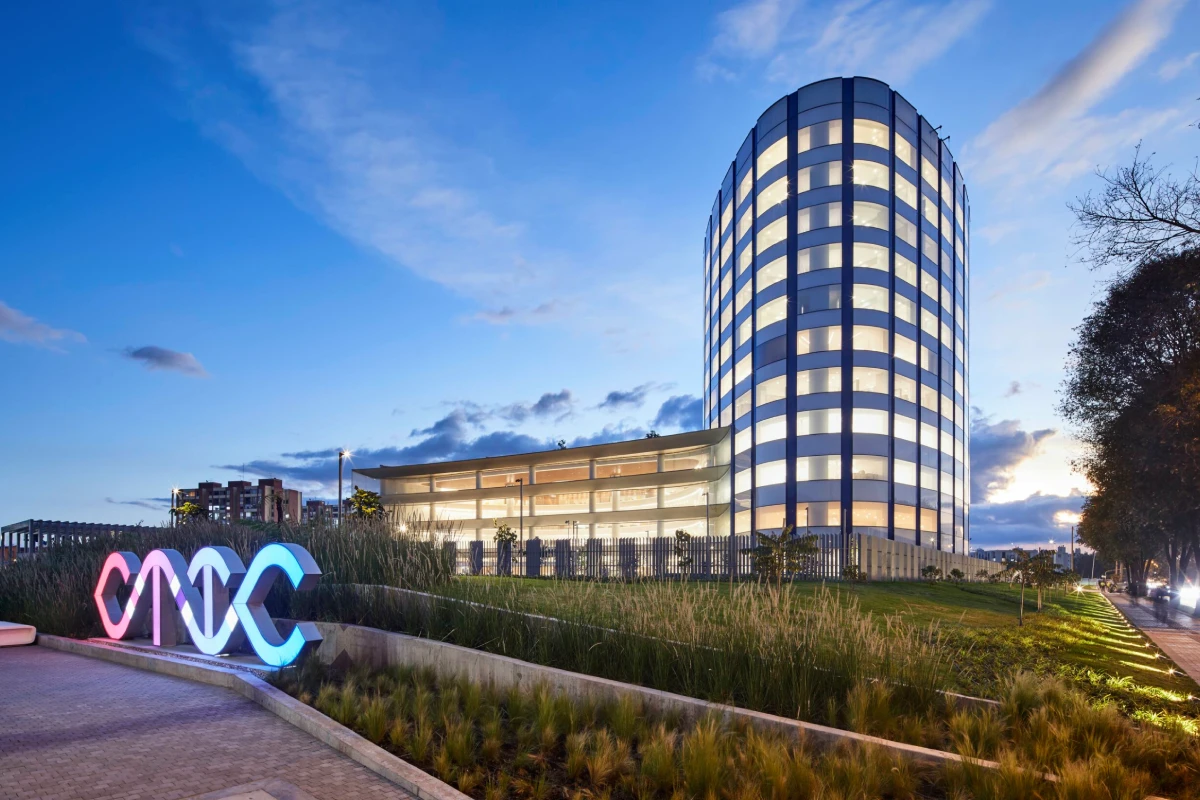
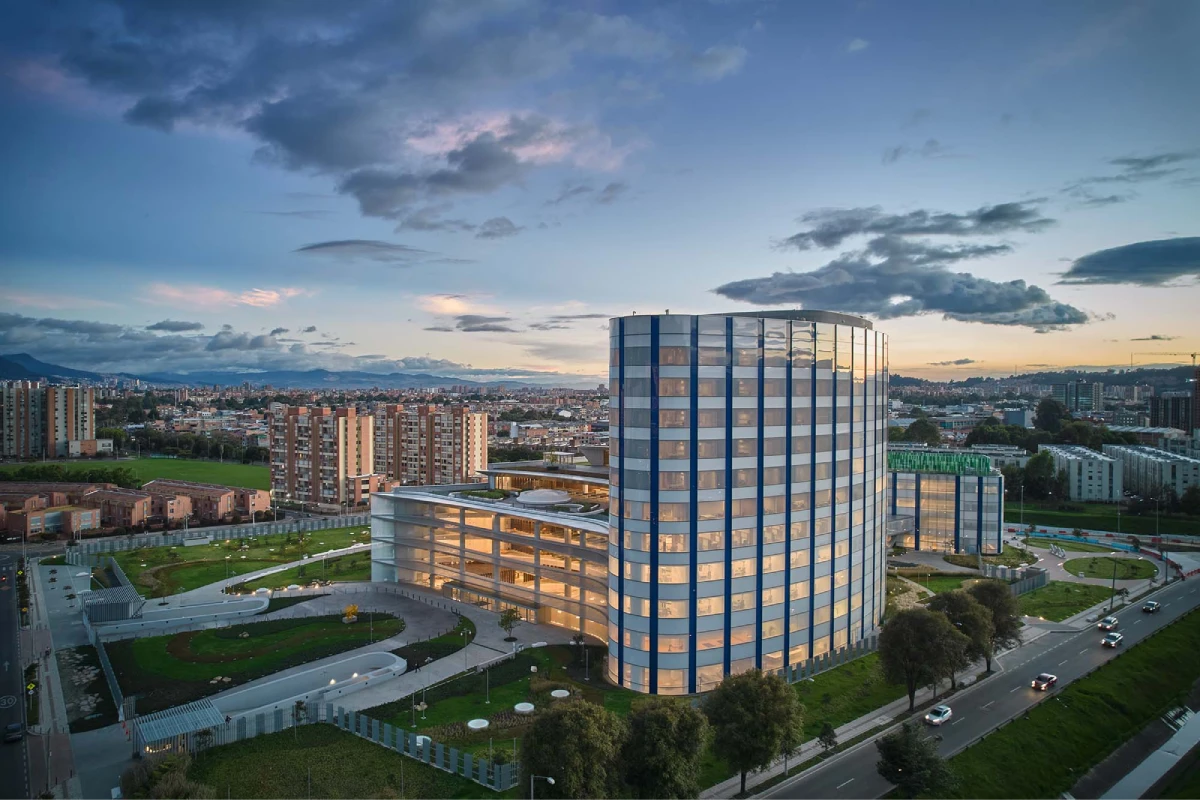
The Cancer Treatment and Research Center (CTIC), developed by Construcciones Planificadas in Bogotá, represents a significant step forward in integrating sustainability and efficiency into healthcare infrastructure. From the outset, the project faced a critical challenge: reducing an initial projected energy demand of nearly 8 MW while meeting strict ventilation and comfort standards required for complex clinical environments. In this context, Green Loop provided LEED v3 advisory, energy modeling, bioclimatic design, and commissioning services to optimize building performance and position the facility as a leader in oncology care.
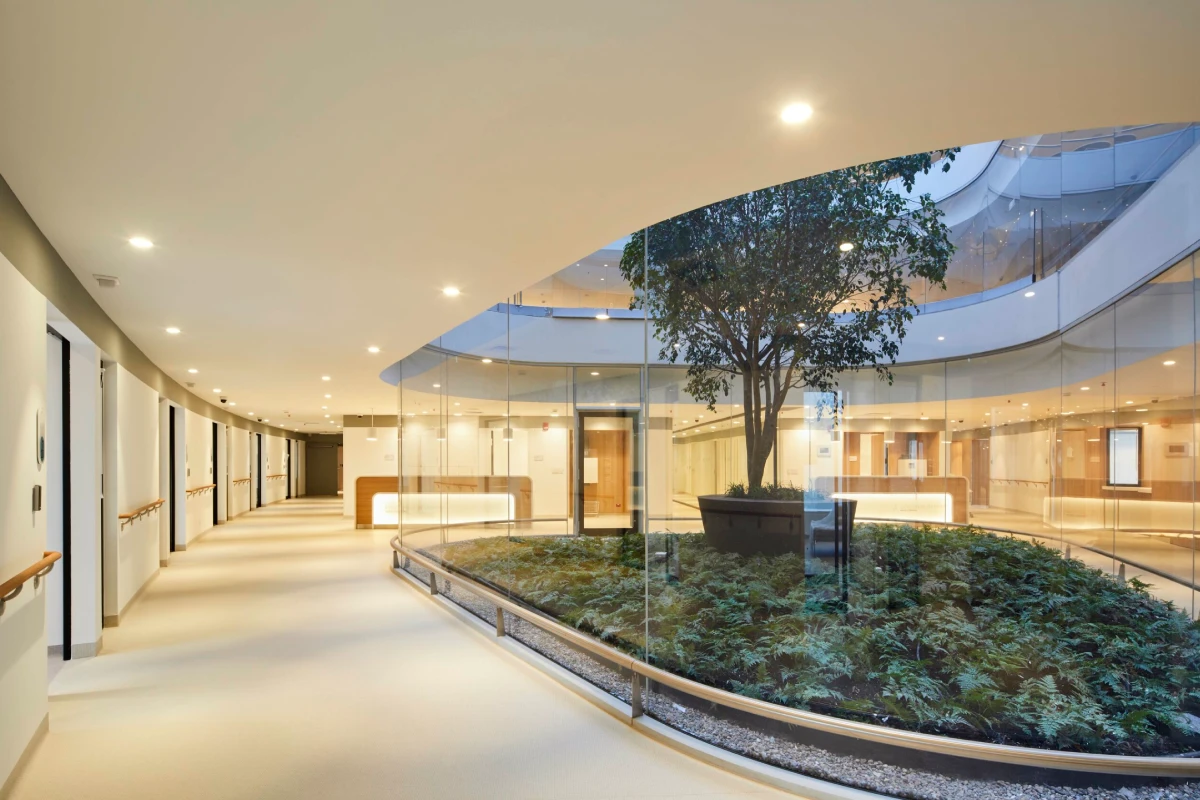
From a technical standpoint, the project focused on transforming HVAC systems—the primary driver of energy consumption—through strategies that reduce demand without compromising indoor air quality. Solutions included controlled natural ventilation, air reuse through cascade systems, and efficient heating integrated into the building envelope. The bioclimatic design optimized the façade to enhance thermal comfort while reducing loads from lighting and conditioning. Additionally, the domestic hot water system combines high-efficiency boilers (over 90% thermal efficiency) with solar preheating, supplying up to 35% of the demand.
The results highlight the impact of an integrated approach: energy savings of 28.4% in the hospital building and 24.5% in the research facility, along with water reductions exceeding 30%. Overall, the project achieves a 45.77% reduction in water consumption, avoids 870.8 tons of CO₂ annually, and generates financial savings of approximately COP 3.936 billion per year in energy costs. Beyond the metrics, CTIC delivers optimal comfort and air quality conditions, demonstrating that highly specialized healthcare infrastructure can successfully combine efficiency, sustainability, and user well-being.